45 Best Summer CAS Project Ideas to Complete This Break (2025)
45 Summer CAS Project Ideas That Actually Make a Difference (2025) Struggling to find CAS project ideas that actually make a difference rather than just checking boxes on your IB requirements? Summer break offers the perfect opportunity to dive into meaningful projects that align with your passions while fulfilling those Creativity, Activity, and Service hours. […]
Key Takeaways
- Struggling to find CAS project ideas that actually make a difference rather than just checking boxes on your IB requirements? Summer break offers the perfect opportunity to dive into meaningful projec.
45 Summer CAS Project Ideas That Actually Make a Difference (2025)
Struggling to find CAS project ideas that actually make a difference rather than just checking boxes on your IB requirements? Summer break offers the perfect opportunity to dive into meaningful projects that align with your passions while fulfilling those Creativity, Activity, and Service hours. For more on this, see our guide on planning CAS projects.
Let’s face it—many students rush through CAS projects just to meet graduation requirements. However, when you choose the right project, you can create lasting impact in your community while developing valuable skills for your future. Fortunately, you don’t need to spend hours brainstorming because we’ve compiled 45 summer CAS project ideas specifically designed to create meaningful change in 2025 and beyond. From organizing talent shows to launching environmental campaigns, these projects will help you stand out during college applications while making a genuine difference.
Navigating IB CAS can feel overwhelming, especially if it's your first time. If you'd like personalised guidance from someone who's helped hundreds of IB students, our tutors are here to help. Tell us what you need →
Organize a School Talent Show
Image Source: Ignite Training Institute
A school talent show presents a perfect CAS project opportunity that allows students to showcase diverse abilities beyond academics. Unlike typical extracurricular activities, talent shows create platforms where hidden skills flourish in unexpected ways.
Project Overview
A school talent show functions as a structured event where students perform various talents ranging from musical instruments and singing to poetry recitation and dance routines. The format typically includes auditions, rehearsals, and a final performance before an audience of peers, teachers, and family members. You can organize it as a showcase rather than a competition, focusing on building confidence rather than determining winners. The show can accommodate 30-50 performers with acts typically limited to 3-5 minutes each to maintain audience engagement.
Why It Makes a Difference
Talent shows create significant impact in multiple ways:
- Confidence Building: Students develop self-assurance through performing in front of audiences. Even reserved students often surprise themselves and others with newfound courage.
- Skill Discovery: Many students discover talents they never knew they possessed through experimentation and guidance.
- Community Connection: These events bring together diverse community members, creating inclusive environments where everyone feels valued.
Additionally, talent shows teach collaboration and teamwork when students perform group acts. Some participants might discover passions that influence future career choices through this experience. You may also find our resource on run study groups helpful.
Steps to Get Started
First, establish a planning committee including teachers, staff members, and students to delegate responsibilities. Subsequently, select a suitable date avoiding holidays and vacation periods to maximize attendance.
Reserve an appropriate venue such as a school auditorium or gymnasium that accommodates your anticipated audience. Create clear guidelines about performance types, time limits, and content appropriateness.
Promote the talent show through multiple channels—classroom visits, posters, social media announcements—to generate excitement. Hold auditions to ensure performances are appropriate and prepared, followed by at least 2-3 rehearsals to minimize stage fright.
For the performance day, arrange for sound equipment testing, volunteer coordination, and a program listing performers’ names and acts. Furthermore, consider including diverse performance types beyond singing and dancing, such as sports demonstrations or comedy sketches to showcase varied talents.
Start a Community Garden
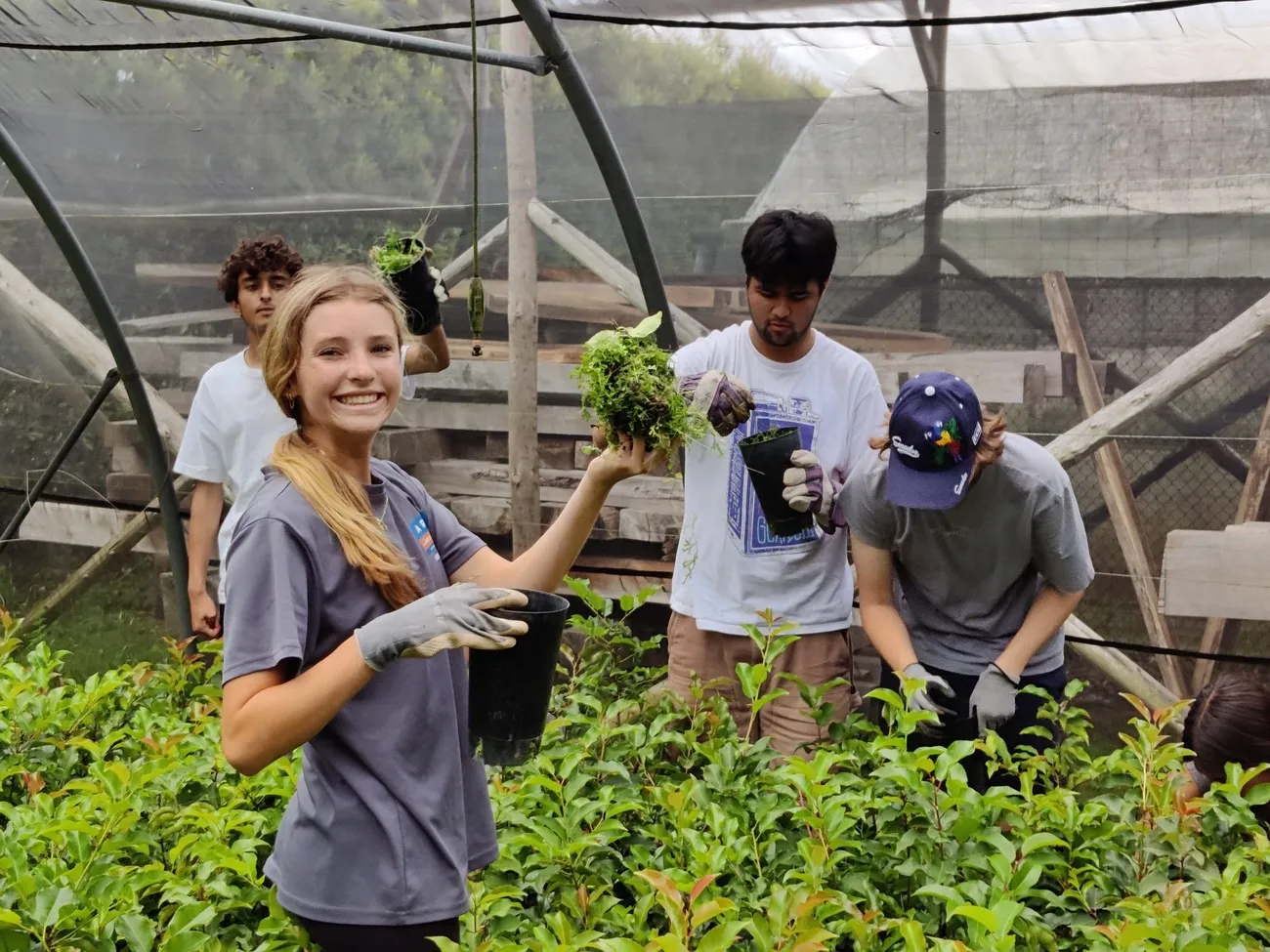
Image Source: CAS Trips
Creating a community garden transforms vacant spaces into vibrant hubs of activity where people grow food, build relationships, and enhance neighborhood appeal. As a CAS project, community gardening combines all three CAS elements—creativity in design, activity through physical work, and service to your community.
Project Overview
A community garden is a shared space where community members collectively or individually grow vegetables, fruits, and flowers. These gardens come in various formats:
- Plot-based gardens: Individual plots assigned to community members
- Communal gardens: Everyone works together, sharing the harvest
- Donation gardens: Produce goes to food banks and community kitchens
- Educational gardens: Focus on teaching gardening and nutrition skills
Most successful community gardens begin with at least five dedicated families or individuals committed to the project. Gardens typically require 6-8 hours of daily sunlight, access to water, and soil testing to ensure safety for growing food.
Why It Makes a Difference
Community gardens yield benefits far beyond fresh produce. Studies show they reduce feelings of depression by up to 60% and decrease gun violence by 20% or more in surrounding areas. Moreover, participants increase their physical activity sessions from 4.9 to 5.2 times weekly and boost fruit and vegetable consumption from 3.44 to 3.78 servings daily.
These gardens primarily benefit urban communities where access to fresh food is limited. They help maintain cultural traditions for immigrants, promote sustainability, and build community capacity. Consequently, many cities have enacted policies supporting community gardens, recognizing their role in improving public health.
Steps to Get Started
First, gather a dedicated group of at least five interested families or individuals. Next, conduct a community survey to assess interest and form a garden committee to divide responsibilities.
Look for a suitable location receiving 6-8 hours of sunlight daily with water access. Obtain permission from the landowner through written agreements, often including liability insurance with “hold harmless” waivers.
Test soil for contaminants and fertility before designing your garden layout. Develop a materials list and budget, typically ranging from $2,500 to $5,000 for basic elements including fencing and irrigation.
Essentially, successful gardens involve stakeholders throughout planning, include at least 15 plots for community participation, and provide simple irrigation systems. Finally, celebrate your efforts by planting something in the first season to maintain momentum.
Host a Local Art Exhibition
Image Source: best project ideas
Art exhibitions provide an excellent CAS project opportunity that extends beyond displaying artwork to fostering meaningful community connections. For IB students seeking creative service projects, organizing a local art exhibition develops leadership skills while creating cultural impact.
Project Overview
A local art exhibition involves organizing, curating, and presenting artistic works in a dedicated space for public viewing. These exhibitions can take different formats—from solo shows featuring one artist’s work to group exhibitions showcasing multiple creators. Most exhibitions include an opening event, viewing period (typically 1-7 days for student-organized shows), and potentially artist talks or workshops. The exhibition may center around specific themes, artistic styles, or community issues to create a coherent visitor experience.
Why It Makes a Difference
Research demonstrates that art exhibitions significantly benefit communities and individuals. Studies show that after engaging with art exhibitions, participants feel more connected to their neighborhoods and report improved overall wellbeing. These positive changes increase when viewers emotionally connect with the artwork and find it meaningful.
Art exhibitions serve as:
- Economic catalysts that draw visitors and stimulate spending at nearby businesses
- Community touchstones that instill pride and identity within local populations
- Educational platforms that foster cultural appreciation and understanding across diverse groups
Notably, exhibitions featuring local artists help preserve cultural heritage while providing platforms for dialog about important social issues.
Steps to Get Started
First, define your exhibition’s purpose—whether showcasing student work, highlighting a social issue, or celebrating cultural diversity. Develop a clear theme that unifies the exhibition and creates a cohesive story.
Next, secure a suitable venue with adequate lighting and display space. Ideally, choose locations with white walls and neutral flooring to keep focus on the artwork. For budget-conscious projects, consider school facilities, community centers, or even well-prepared studio spaces.
Accordingly, establish a timeline allowing 3-4 months for planning. Create a budget covering venue costs, promotion, display materials, and refreshments for the opening.
Select artists through an open call or direct invitation, providing clear guidelines about submission requirements. Remember that less is often more—a well-curated selection makes stronger impact than overcrowded displays.
Throughout the process, develop promotion strategies using social media, email campaigns, and physical flyers to maximize attendance. Document the exhibition professionally for participating artists’ portfolios and your CAS reflection.
Create a Recycling Awareness Campaign
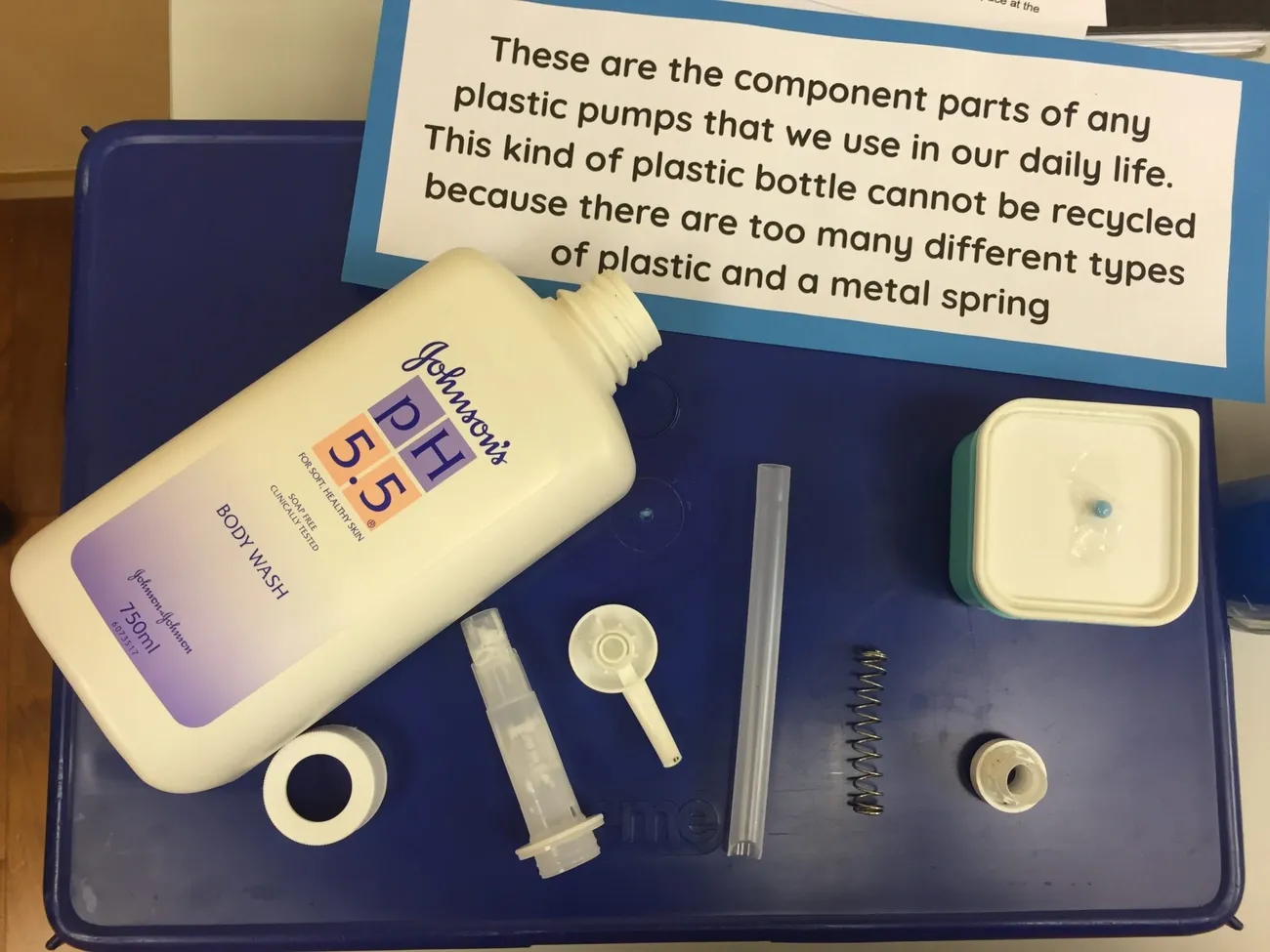
Image Source: Plastic Free Seas
Launching a recycling awareness campaign offers an impactful CAS project option that educates your school community about sustainable waste management practices. This project beautifully combines creativity in messaging with service that benefits both your local environment and global sustainability efforts.
Project Overview
A recycling awareness campaign is an organized initiative that educates people about proper waste sorting methods and sustainable disposal practices. These campaigns typically include educational materials, interactive workshops, and strategic communication efforts designed to make recycling accessible and engaging. Most successful campaigns feature clear, simple messaging about what can be recycled, customized graphics showing proper sorting techniques, and consistent communication across multiple channels including social media, posters, and in-person events.
Why It Makes a Difference
Recycling education creates meaningful impact in several ways. First, it reduces landfill waste by extending the useful life of existing disposal facilities. Second, it saves energy—recycling aluminum uses 20 times less energy than creating it from raw materials. Third, it creates jobs, with studies suggesting recycling and remanufacturing activities potentially support up to 1 million manufacturing jobs nationwide.
Indeed, research demonstrates that communities with consistent communication about recycling can increase material recovery by up to 40%. Moreover, effective education programs have shown remarkable results—Washington D.C. reduced its recycling contamination rate from 33% to just 11% through targeted educational efforts.
Steps to Get Started
Begin by forming a dedicated team including students, teachers, and staff members to oversee the campaign. Then assess your school’s current recycling situation and set achievable goals based on this data.
Next, develop clear messaging focused on simple directives like “Empty, rinse, and dry” rather than complicated instructions. Create eye-catching promotional materials including posters, videos, and social media content that clearly show what can and cannot be recycled.
For maximum engagement, incorporate interactive elements such as:
- Recycling competitions between classes
- Field trips to recycling facilities
- Hands-on sorting workshops
Finally, establish adequate recycling infrastructure with properly labeled bins in classrooms, cafeterias, and communal areas. Remember that consistent messaging across multiple channels reinforces recycling habits and reduces confusion about proper practices.
Plan a Charity Bake Sale
Image Source: Top Project Ideas
Organizing a charity bake sale offers an accessible CAS project that combines minimal startup costs with maximum fundraising potential. This popular fundraising method allows you to support important causes while developing valuable organizational skills.
Project Overview
A charity bake sale is a fundraising event where donated baked goods are sold to raise money for a specific cause or organization. The genius behind this fundraising model lies in its simplicity—with donated goods and volunteer time, bake sales can achieve nearly 100% profit margins. These events typically include a variety of treats from cookies and brownies to cakes and pies, often accompanied by beverages. Bake sales can be standalone events or paired with other activities to maximize attendance and impact. Explore our detailed guide on achieve your IB diploma a for more tips.
Why It Makes a Difference
Bake sales create genuine impact beyond their delicious offerings. Since 1984, bake sales have contributed nearly USD 12 million to the fight against hunger. These funds support critical programs like the School Breakfast Program, which helps students start their day nourished and ready to learn. One school principal noted that after implementing a breakfast program supported by such fundraising, “discipline is at an all-time low, achievement is climbing and my students love to come to school”.
Steps to Get Started
Initially, establish a planning timeline of about 6 weeks before your sale date. Start by enlisting volunteers for various roles including baking, advertising, and sales.
Next, secure a suitable location with high foot traffic—community centers, school events, or even front gardens work perfectly. Unless you choose a rental venue, select places without fees to maximize your fundraising potential.
Forthwith, create promotional materials including posters, social media announcements, and email invitations. These should clearly communicate your cause, emphasizing how funds will benefit specific projects.
Primarily focus on offering variety in your baked goods. Request that volunteers register their planned contributions to avoid duplicates. Consider including allergen-friendly options to ensure everyone can participate.
Launch a Book Drive for Underprivileged Schools
Image Source: best project ideas
Book drives represent one of the most accessible yet profound CAS project ideas, bridging educational gaps for underprivileged students. This project addresses a stark reality in education while providing immediate, tangible benefits to communities in need.
Project Overview
A book drive is a coordinated effort to collect and distribute books to schools and communities lacking adequate educational resources. These campaigns typically run for two weeks to a month, allowing donors sufficient time to select and contribute books. Book drives can be organized as in-person events with collection boxes at schools or community centers, or as online campaigns where supporters purchase books through curated wishlists. The focus remains on gathering high-quality, age-appropriate children’s books in new or like-new condition to support literacy development among underserved populations.
Why It Makes a Difference
The impact of book donations extends far beyond the physical items themselves. Research shows children with as few as 20 books at home completed significantly more schooling than those with fewer books. Even more remarkable, having 500 books at home yielded 2.4 years more education for U.S. children, with greater effects for disadvantaged families. This educational advantage directly translates to economic benefits—a high school graduate earns approximately $8,700 more annually than a dropout.
Meanwhile, in low-income neighborhoods, there is approximately one book for every 300 children, compared to 13 books per child in middle-income areas. Hence, book drives particularly benefit communities where educational resources remain scarce.
Steps to Get Started
To launch your book drive:
- Establish a timeline—typically 2-4 weeks—and coordinate with your school or organization
- Create collection points with large, sturdy, well-marked bins in accessible locations
- Develop clear donation guidelines specifying only children’s books in good condition
- Promote through social media, newsletters, and posters at least two weeks before launching
- Sort collected books by age group or category before donation
- Contact your recipient organization to arrange delivery of the sorted books
Teach a Language to Refugees or Immigrants
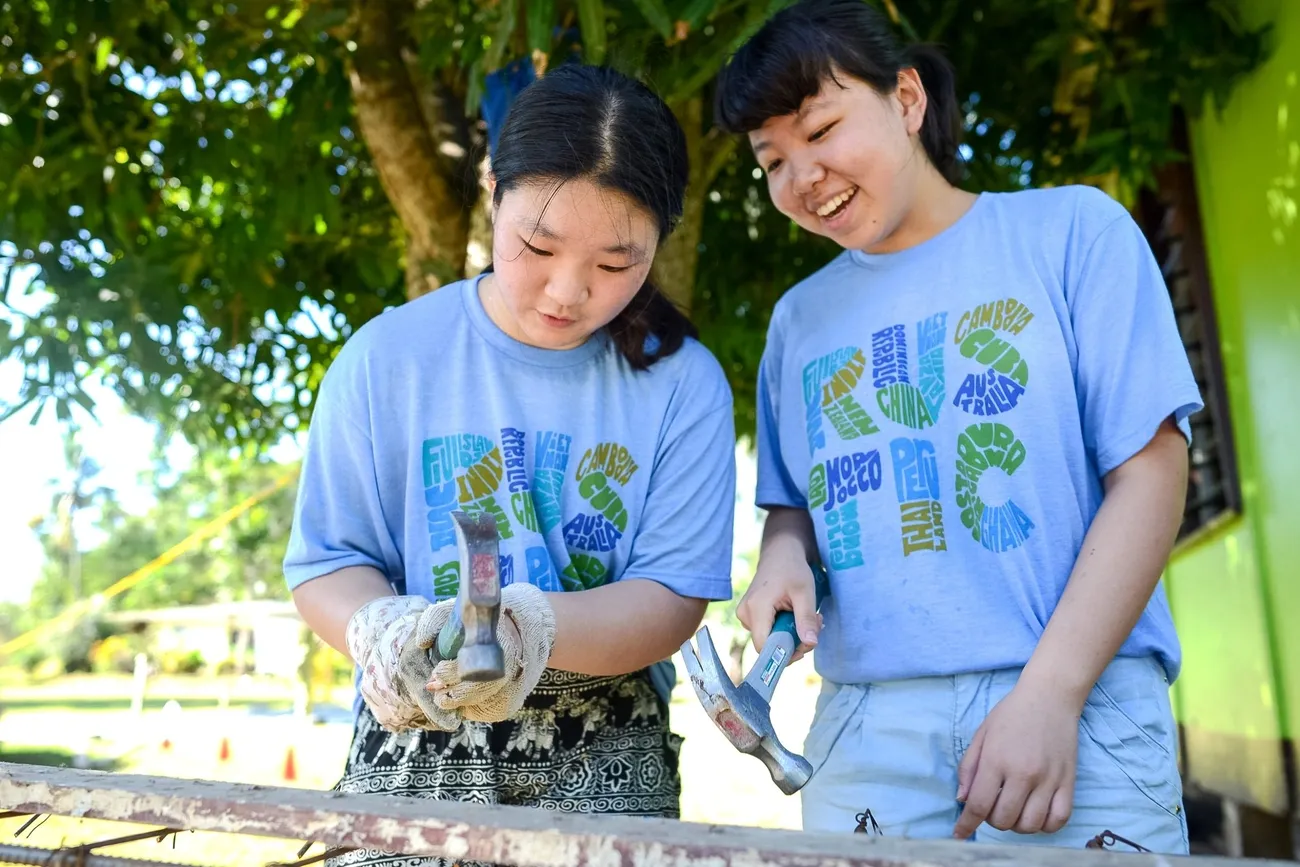
Image Source: Rustic Pathways
Helping refugees and immigrants learn the local language offers a profound CAS project opportunity that builds bridges across cultures. This project allows you to develop teaching skills while providing critical support to newcomers facing language barriers in their new communities.
Project Overview
Language teaching for refugees and immigrants involves providing structured language support focused on practical communication skills rather than technical proficiency. These programs typically emphasize language learning for social and communicative competence combined with information about integration tasks, local customs, and everyday practices. Effective programs vary in format—from formal classroom settings to one-on-one tutoring—and focus on vocabulary related to essential activities like shopping, banking, healthcare navigation, and employment preparation.
Why It Makes a Difference
Language acquisition creates life-changing impact for refugees and immigrants. Studies show language proficiency directly correlates with employment opportunities, with programs combining language and technical skills training resulting in 91% of participants improving their English skills and 20% receiving promotions. In fact, approximately 47% of immigrant adults in the U.S. have limited English proficiency, indicating they speak English at a “less than very well” level.
The benefits extend beyond employment:
- Enhanced ability to access essential services like healthcare and education
- Improved capacity to advocate for oneself in legal and governmental contexts
- Stronger social connections with the broader community
- Better ability to support children in their education
Steps to Get Started
First, assess your teaching approach—remember you’re providing language support rather than formal instruction. Thus, focus on useful expressions and vocabulary instead of complex grammar.
Prior to starting, learn about your students’ backgrounds, literacy levels, and specific language needs. Therefore, create relevant learning materials addressing practical situations they encounter daily.
Be patient and create a positive learning environment—many refugees experience stress that affects concentration and learning ability. As a result, incorporate visual materials, real objects, and interactive activities to make learning engaging.
Lastly, consider partnering with established organizations already providing language support to leverage existing resources and expertise.
Organize a Beach or Park Cleanup

Image Source: Easy Sevens
Beach and park cleanups represent powerful CAS project ideas that tackle environmental issues through direct action. This hands-on activity combines all three CAS elements while creating immediate, visible impact in your local ecosystem.
Project Overview
A beach or park cleanup involves organizing volunteers to remove litter and debris from natural areas. These events typically last 2-4 hours and focus on collecting trash, sorting recyclables, and documenting findings. Beyond simple litter collection, effective cleanups incorporate waste mapping, hazard identification, and proper disposal procedures. Most cleanups require basic supplies like trash bags, gloves, and grabbers, plus optional items such as scales to weigh collected waste and data collection tools to track findings.
Why It Makes a Difference
Environmental cleanups yield measurable benefits beyond esthetic improvements. Removing litter protects wildlife from ingesting harmful materials while safeguarding fragile ecosystems. Research highlights that every piece of trash collected prevents potential harm to marine life and coastal habitats. Furthermore, community cleanups foster stronger neighborhood bonds, boost community pride, and enhance public spaces for everyone’s enjoyment.
Regular cleanups also provide educational opportunities by raising awareness about pollution sources and waste management challenges. Participants often report improved mood, reduced stress, and increased connection to nature after participating in environmental stewardship activities.
Steps to Get Started
Begin by selecting a location that needs attention but remains accessible and safe for volunteers. Visit the site beforehand to assess specific needs and potential hazards. After choosing a date (Saturday mornings work best), secure necessary permits from local authorities if required.
Gather essential supplies:
- Trash bags (separate for recyclables)
- Work gloves for all participants
- Grabber tools for hard-to-reach items
- First aid kit and hand sanitizer
Recruit volunteers through social media, community bulletin boards, and word-of-mouth. Create a central meeting point where participants can sign in, receive supplies, and get assigned to specific areas. Throughout the event, emphasize safety protocols—wearing bright colors near traffic and avoiding hazardous materials. Finally, arrange proper disposal of collected waste, preferably separating recyclables for maximum environmental benefit.
Start a Photography Challenge Blog

Image Source: Young Scholarz
Photography challenges offer an excellent CAS project that combines artistic expression with digital communication skills. This creative endeavor encourages consistent practice while building an online portfolio that showcases your visual perspective.
Project Overview
A photography challenge blog involves setting regular photography assignments for yourself, capturing images based on specific themes or techniques, and sharing them online through a dedicated platform. These challenges typically follow structured formats—daily challenges where you take one photo every day, weekly themes that allow deeper exploration, or monthly technical challenges focusing on specific skills like composition or lighting. The blog component provides accountability by creating a public record of your progress and offering a space for reflection on each image’s context and meaning.
Why It Makes a Difference
Regular photography practice through challenges produces remarkable personal growth. Studies show creative photography activities can reduce stress levels and foster mindfulness by encouraging photographers to slow down and tune into their surroundings. Furthermore, photography challenges transform how you perceive everyday environments—teaching you to find beauty in ordinary moments and communicate visual stories effectively.
Beyond personal benefits, photography blogs build community connections by inspiring others and potentially raising awareness about social or environmental issues through your visual documentation. The process combines all CAS elements naturally: creativity in composition and editing, activity through exploration of locations, and service by sharing knowledge and visual stories that might educate or inspire viewers.
Steps to Get Started
To launch your photography challenge blog:
- Determine clear goals—improving technical skills, documenting your community, or exploring specific themes
- Establish simple rules about frequency (daily/weekly/monthly) and challenge parameters
- Choose a suitable duration—30-day challenges work well for beginners
- Decide whether to make it collaborative or individual
- Select themes that push your creativity beyond comfort zones
- Create a consistent posting schedule and stick with it
For maximum impact, focus on quality over quantity and remember that limitations often spark greater creativity.
Host a Dance Marathon for Charity
Image Source: best project ideas
Dance marathons stand as energetic, high-impact CAS projects that combine physical endurance with powerful fundraising potential. This event format has grown into a nationwide movement across colleges and high schools, raising millions for children’s healthcare.
Project Overview
Dance marathons are multi-hour events where participants pledge to remain on their feet—dancing, playing games, and interacting with children—to support pediatric hospitals. Typically lasting between 12-36 hours, these events culminate after months of preparation by dedicated student committees. The format includes continuous movement interspersed with entertainment, games, music, and inspiring stories from patient families. Despite physical challenges, dancers persevere to honor children battling illness, creating an atmosphere of celebration and solidarity.
Why It Makes a Difference
Dance marathons generate extraordinary impact beyond their festive atmosphere. Currently, these events collectively raise more than $25 million annually for children’s hospitals across North America. Since inception in 1991, dance marathon programs have raised over $350 million, supporting critical pediatric care, research, and education initiatives. The events directly benefit local children’s hospitals by funding essential resources—from medical equipment to groundbreaking therapies.
Beyond financial contributions, dance marathons transform participants’ lives by opening doors to careers in healthcare and philanthropy. The personal connections formed with patient families create powerful empathy experiences that often inspire lifelong service commitments.
Steps to Get Started
To organize a dance marathon:
- Form a dedicated planning committee with clearly defined roles (overall director, marketing, dancer relations, finance, operations)
- Select an appropriate date and venue avoiding conflicts with major campus events
- Establish fundraising goals and develop strategies utilizing both in-person and online methods
- Create a DonorDrive fundraising website through Children’s Miracle Network Hospitals
- Design a comprehensive event timeline including entertainment, speakers, and activities
- Incorporate “cause connection” moments where participants learn about children they’re supporting
Primarily focus on creating quality participant experiences that combine fun with meaningful engagement.
Create a Mental Health Awareness Campaign
Image Source: Rustic Pathways
Mental health awareness campaigns represent valuable CAS project opportunities that combat stigma while educating communities about crucial wellness issues. With one in six youth experiencing mental health disorders each year, these initiatives address pressing needs through education and stigma reduction.
Project Overview
Mental health awareness campaigns encompass structured activities designed to educate people about mental health conditions and promote help-seeking behaviors. Effective campaigns typically incorporate visual elements like green ribbons or cloths, educational materials, and interactive components. Most successful initiatives maintain regular communication cadence across multiple channels and include elements such as:
- Dedicated information hubs for accessing resources
- Guest speakers and educational workshops
- Fundraising activities supporting mental health organizations
- Promotional materials highlighting available services
These campaigns can follow established models like “Each Mind Matters,” which unites organizations working to create health systems serving both minds and bodies, or “Mental Health Matters,” which aims to reduce stigma and normalize help-seeking behaviors.
Why It Makes a Difference
Mental health campaigns create substantial impact through education and stigma reduction. Studies show these initiatives effectively change student attitudes toward mental health and normalize seeking help when needed. Coupled with increased awareness, these campaigns lead to earlier intervention—which research demonstrates produces better outcomes with lower costs.
Furthermore, mental health education in schools empowers students by providing tools for recognizing developing mental health problems in themselves and others. Properly structured campaigns help address the concerning reality that half of youth with mental health conditions received no treatment in the past year.
Steps to Get Started
Begin by planning a comprehensive campaign timeline, identifying key messages and activities. Simultaneously, build an internal toolkit containing fact sheets, educational resources, help line information, and discussion topics.
Contact relevant partners like school counseling services or community mental health organizations for additional resources. Subsequently, organize interactive events such as leadership discussions, guest speakers, or webinars highlighting mental health topics.
Primarily focus on promoting self-care throughout your campaign, encouraging specific practices like scheduled breaks or dedicated mental health days. Consider implementing challenges or activities that make mental wellness engaging while reducing associated stigma.
Volunteer at a Local Animal Shelter
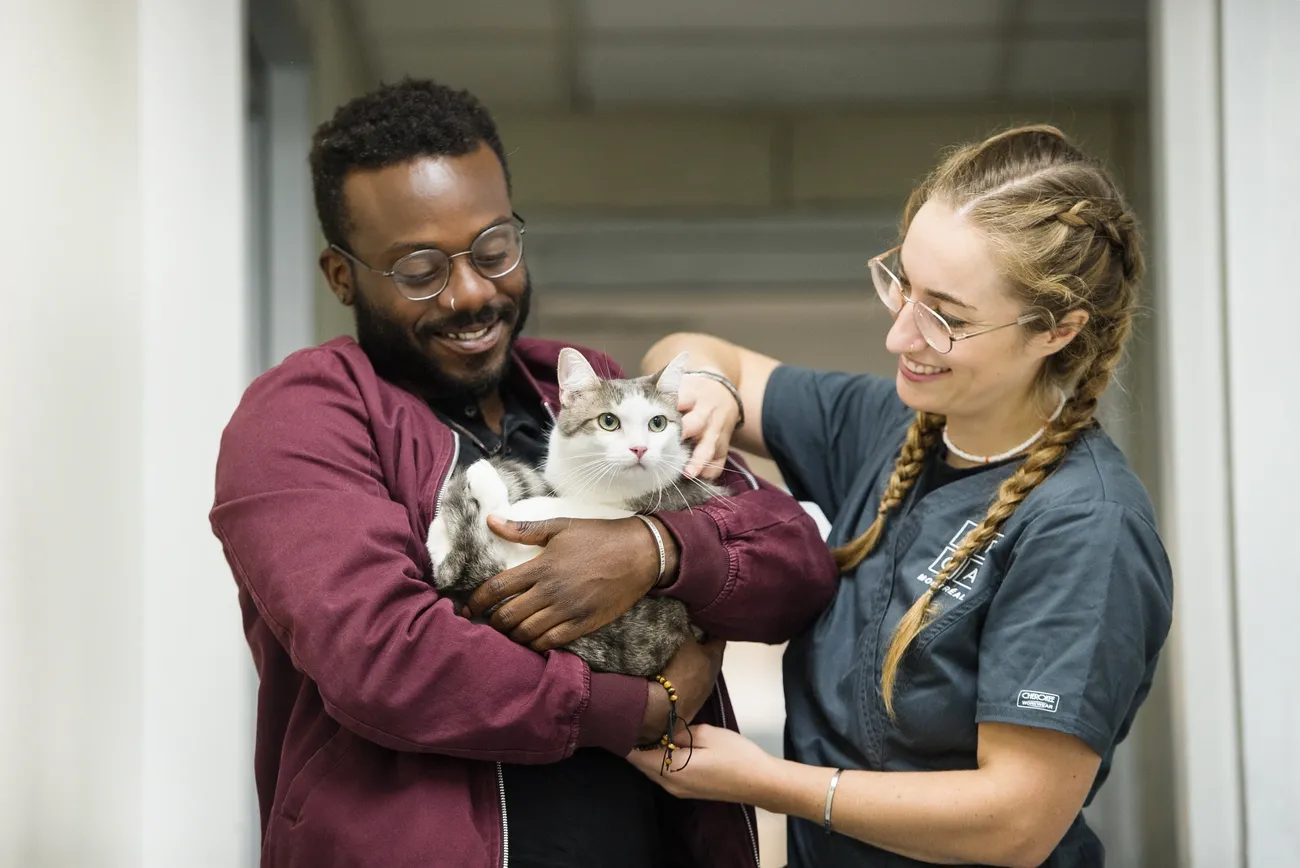
Image Source: SPCA
Animal shelter volunteering represents a fulfilling CAS project that directly impacts the lives of homeless pets while developing your personal skills. Unlike other community service opportunities, working with shelter animals creates immediate connections between your efforts and tangible outcomes.
Project Overview
Animal shelter volunteering involves assisting with essential operations that help animals thrive despite challenging circumstances. Volunteer positions typically include socializing dogs and cats, cleaning kennels, doing laundry, fostering young animals, providing administrative support, and participating in adoption events. Generally, shelters require a minimum commitment of 2 hours weekly for at least 6 months, ensuring volunteers become familiar with protocols and animals. Most facilities rely heavily on volunteer assistance—some shelters operate with over 1,200 volunteers daily to care for thousands of animals.
Why It Makes a Difference
Shelter volunteering creates profound impact beyond providing basic animal care. Primarily, volunteers help reduce animals’ stress levels through socialization—research shows dogs who interact with humans have lower cortisol levels than those without human contact. This socialization directly improves adoption rates by helping animals appear more adoptable to potential families.
Beyond animal benefits, volunteering improves your own wellbeing. Studies indicate animal interaction can lower stress levels, increase serotonin and dopamine, and potentially extend your lifespan. Currently, many volunteers report that helping animals provides unparalleled satisfaction and purpose.
Steps to Get Started
First, research local shelters and complete their volunteer application. Subsequently, attend mandatory orientation sessions, which typically include virtual or in-person training about facility protocols and animal handling techniques.
Complete required training programs—many shelters mandate courses like Fear Free Shelter Program (5 hours) and customer service training (1.5 hours). Following classroom training, you’ll shadow experienced volunteers before working independently. Learn more in our guide on IB ChatGPT prompts guide.
Ultimately, approach volunteering with realistic expectations—shelter environments can involve strong odors, occasional loud noises, and emotionally challenging situations. Fortunately, the rewards of helping animals find loving homes far outweigh these difficulties.
If this is feeling like a lot to take in, that's completely normal. Many students find it helpful to work with an experienced IB tutor who can provide clarity tailored to their situation. Get in touch →
Build a Website for a Local Nonprofit
Image Source: Top Project Ideas
Developing a website for a local nonprofit combines technical skills with community service, making it an ideal CAS project for digitally-inclined students. This practical project delivers lasting value while teaching real-world web development experience.
Project Overview
A nonprofit website serves as the digital headquarters for an organization—often the first point of contact for potential donors, volunteers, and supporters. These sites typically include essential elements such as an about page explaining the mission, donation capabilities, event calendars, volunteer opportunities, and contact information. The format varies based on organizational needs but fundamentally requires a domain name, hosting solution, content management system, and thoughtful design focused on user experience. Most nonprofits benefit from platforms like WordPress, Squarespace, or Wix, which offer nonprofit-specific templates and functionality.
Why It Makes a Difference
Professional websites dramatically enhance nonprofit effectiveness in multiple ways. Primarily, they build credibility—research indicates many donors check websites first before deciding whether an organization is legitimate. In fact, online revenue for nonprofits increased by 60% between 2017 and 2021, highlighting the growing importance of digital presence.
Aside from fundraising, websites extend a nonprofit’s reach beyond physical boundaries. They enable organizations to share their stories authentically, showcase impact through testimonials, and maintain ongoing communication with supporters. Given that approximately 93% of UK individuals were online as of 2023, a strong digital presence has become essential rather than optional for mission-driven organizations.
Steps to Get Started
To build an effective nonprofit website:
- Define clear website goals and identify key audiences (clients, donors, volunteers)
- Purchase a relevant domain name, preferably ending in .org which signals nonprofit status
- Select an appropriate platform based on technical capabilities and budget
- Create a logical site structure with intuitive navigation—visitors should find information within three clicks
- Incorporate mobile-responsive design as many supporters will visit via phones
- Make donation buttons prominent and the giving process simple
- Include email capture forms to build your supporter database
- Ensure accessibility features for users with different abilities
Throughout development, focus on creating a clean, user-friendly experience that reflects your nonprofit partner’s mission and values.
Organize a Youth Leadership Workshop
Image Source: CallTutors
Youth leadership workshops serve as exceptional CAS project opportunities that empower participants to develop essential life skills. This type of project enables students to create meaningful programs that nurture the next generation of community leaders through structured, interactive experiences.
Project Overview
A youth leadership workshop encompasses organized training activities designed to develop leadership capabilities in young people. These workshops typically include sessions on communication, teamwork, problem-solving, and decision-making skills delivered through interactive methods. Effective programs adopt an ecological model combining organizational approach, programmatic elements, and key components. Most workshops incorporate hands-on experiences where participants apply leadership skills by designing and implementing small projects within their schools or communities. Workshops can range from single-day events to multi-week programs, often utilizing a “train-the-trainer” model that encourages participants to transition from learners to leaders.
Why It Makes a Difference
Youth leadership workshops create substantial impact on participants and communities alike. Above all, these programs help young people develop critical skills including communication, problem-solving, decision-making, and conflict resolution. In light of research findings, leadership programs markedly improve participants’ confidence and decision-making abilities while encouraging proactive community engagement. Furthermore, leadership development programs have emerged as crucial platforms for nurturing ethical and impactful leadership values in addition to practical skills. By participating in such workshops, youth learn to leverage their strengths, embrace their unique identities, and become catalysts for positive change within their communities.
Steps to Get Started
To organize an effective youth leadership workshop:
- Form a planning committee including both adults and youth to design a program that addresses specific needs
- Establish clear, measurable objectives for what participants will learn
- Select appropriate leadership topics and interactive teaching methods—remember greater learning occurs when people see, hear, and do something
- Create a nonthreating atmosphere where youth feel comfortable participating in activities and voicing opinions
- Provide opportunities for different youth to emerge as leaders during the workshop
- Include hands-on projects allowing participants to apply leadership skills in real contexts
Throughout implementation, recognize young people’s agency and ability to effect change while providing ongoing support and mentorship.
Start a School Newspaper or Zine
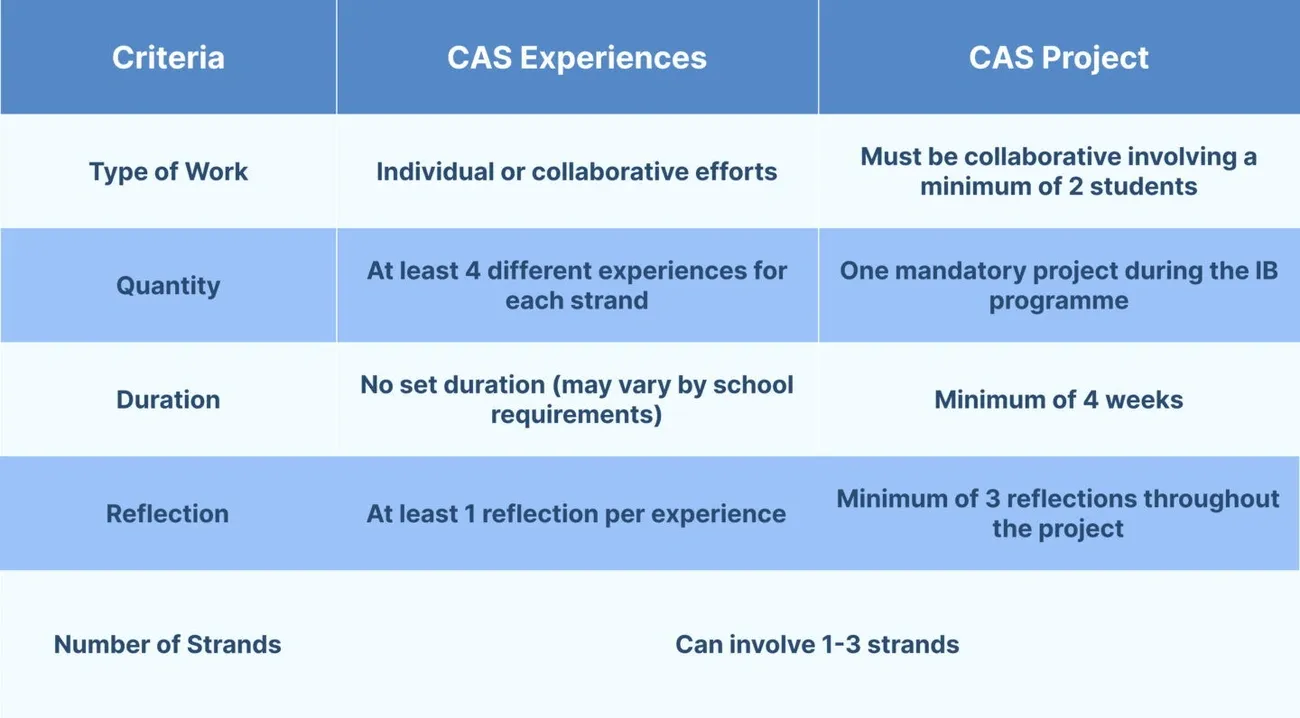
Image Source: TutorsPlus
Establishing a school newspaper or zine serves as an impactful CAS project that amplifies student voices through journalistic creativity. This project naturally combines all CAS elements while developing valuable communication skills that extend beyond the classroom.
Project Overview
A school newspaper or zine is a student-led publication that informs the school community about relevant events, issues, and student perspectives. These publications typically take two main formats: traditional newspapers with structured sections (news, opinions, arts, sports) or creative zines with more artistic freedom and experimental layouts. Either format provides a platform where students express ideas, share experiences, and highlight important issues. Newspapers typically follow journalistic standards with formal editing processes, whereas zines offer more flexibility for creative expression through unconventional designs and personal narratives.
Why It Makes a Difference
School publications create meaningful impact on both individual participants and the broader community. Research shows students involved in journalism develop stronger critical thinking skills and media literacy—crucial abilities in today’s information-saturated world. Furthermore, student journalists demonstrate higher academic performance, with studies indicating they achieve higher GPAs and standardized test scores than their peers.
Primarily, these publications:
- Foster community transparency by addressing school-wide and systematic issues
- Provide essential platforms for student expression, creating a sense of connection
- Develop professional communication skills including synthesis of information
Steps to Get Started
First, secure permissions from school administration and find a teacher sponsor who can oversee the project. Afterward, establish your core team including editors, writers, photographers, and layout designers—each playing distinct roles in the publication process.
Determine your publication format (print, digital, or hybrid) based on resources and audience preferences. For print publications, plan issues in multiples of four pages, whereas digital formats offer more flexibility with publishing schedules.
Ultimately, develop clear editorial guidelines covering article length, style requirements, and publication frequency. Consider using user-friendly design tools like Canva or WordPress to streamline production.
Host a Cultural Exchange Fair
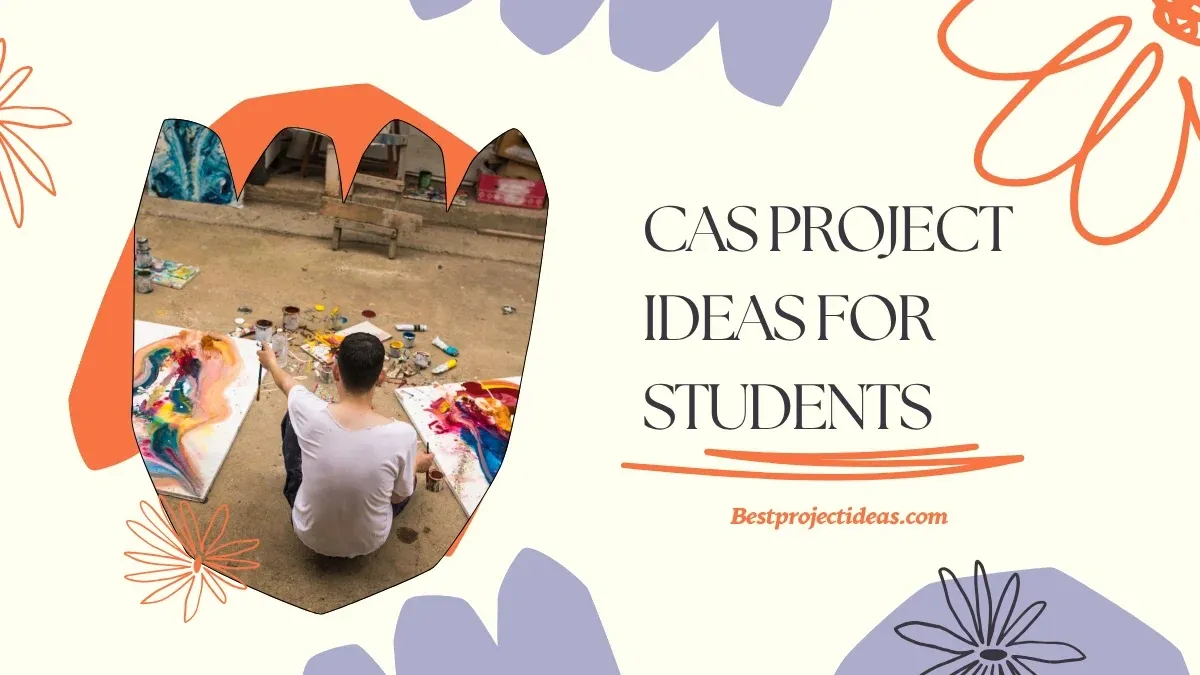
Image Source: best project ideas
Cultural exchange fairs provide an enriching CAS project opportunity that celebrates diversity while fostering mutual understanding between different communities. This interactive event allows students to showcase cultural traditions and create meaningful connections across various backgrounds.
Project Overview
A cultural exchange fair brings together displays and performances representing diverse cultures in a festival-like setting. These events typically feature traditional food stations, artistic demonstrations, interactive workshops, storytelling sessions, and live performances showcasing dances and music from around the world. The format usually includes booths representing different cultures, each featuring educational materials, cultural artifacts, and interactive elements that encourage visitor participation. Successful fairs incorporate spaces for meaningful dialog where attendees can share personal stories and learn from one another.
Why It Makes a Difference
Cultural fairs yield substantial benefits beyond entertainment. Primarily, they serve as powerful tools for addressing social issues and discrimination by celebrating uniqueness and valuing differences. These events foster cultural harmony and allow people from distinct backgrounds to participate openly in community life.
Throughout communities, cultural fairs build social capital—the connections that hold communities together and prevent stagnation. Research shows that well-managed festivals instill community pride, enhance social cohesion, and strengthen relationships among diverse residents. Likewise, these events preserve cultural heritage while creating economic benefits by attracting visitors to the area.
Steps to Get Started
Begin by forming a diverse planning committee including students, teachers, and community members passionate about cultural diversity. Select an appropriate theme and venue that complements the cultural elements being celebrated.
Correspondingly, engage with community leaders and cultural experts to ensure authenticity and respect for cultural nuances. Avoid cultural appropriation by consulting knowledgeable individuals from the communities being highlighted.
For maximum impact, incorporate interactive elements such as workshops, cultural demonstrations, and food sampling to encourage active participation. Remember that cultural sensitivity remains paramount throughout planning and execution.
Create a Short Film on a Social Issue
Image Source: Ignite Training Institute
Short films offer a powerful CAS project option that harnesses visual storytelling to tackle pressing social issues. This creative medium allows students to communicate complex messages through compelling narratives while developing valuable production skills.
Project Overview
A social issue short film is a focused cinematic piece that raises awareness about important societal challenges through storytelling. Typically ranging from 5-40 minutes, these films use emotional narratives to illuminate issues like climate change, mental health, homelessness, or discrimination. The format traditionally combines interviews, dramatized scenes, or documentary footage with thoughtful editing to create maximum impact. Short films excel at humanizing complex issues by focusing on individual experiences and emotional connections rather than simply presenting facts and statistics.
Why It Makes a Difference
Short films create meaningful impact through their unique ability to engage viewers emotionally. Studies show that watching documentaries on social issues can significantly change viewers’ attitudes and opinions about topics ranging from HIV awareness to climate action. Films addressing mental health have demonstrably reduced stigma and improved attitudes toward affected individuals.
The impact extends beyond individual viewers:
- Films serve as powerful catalysts for social change by transforming audiences into advocates
- Viewing empathy-arousing films about immigrants has been shown to induce more positive attitudes toward them
- After watching climate-focused films, viewers demonstrate increased online searches and media discussions about environmental issues
Steps to Get Started
To create an impactful social issue short film:
- Select an issue that demands attention yet holds personal meaning—authenticity begins with your connection to the subject
- Research extensively, particularly focusing on organizations already working on the frontlines of your chosen issue
- Center your story on people affected by the issue rather than abstract concepts
- Develop a compelling narrative with character development and visual symbolism
- Consider technical elements like lighting transitions and sound design to enhance emotional impact
- Plan thoroughly before filming—spend most of your time in pre-production
- Partner with relevant organizations to extend your film’s reach through social impact campaigns
Although creating a short film requires dedication, the potential to change perspectives and inspire action makes it an extraordinarily valuable CAS project.
Run a Summer Sports Camp for Kids
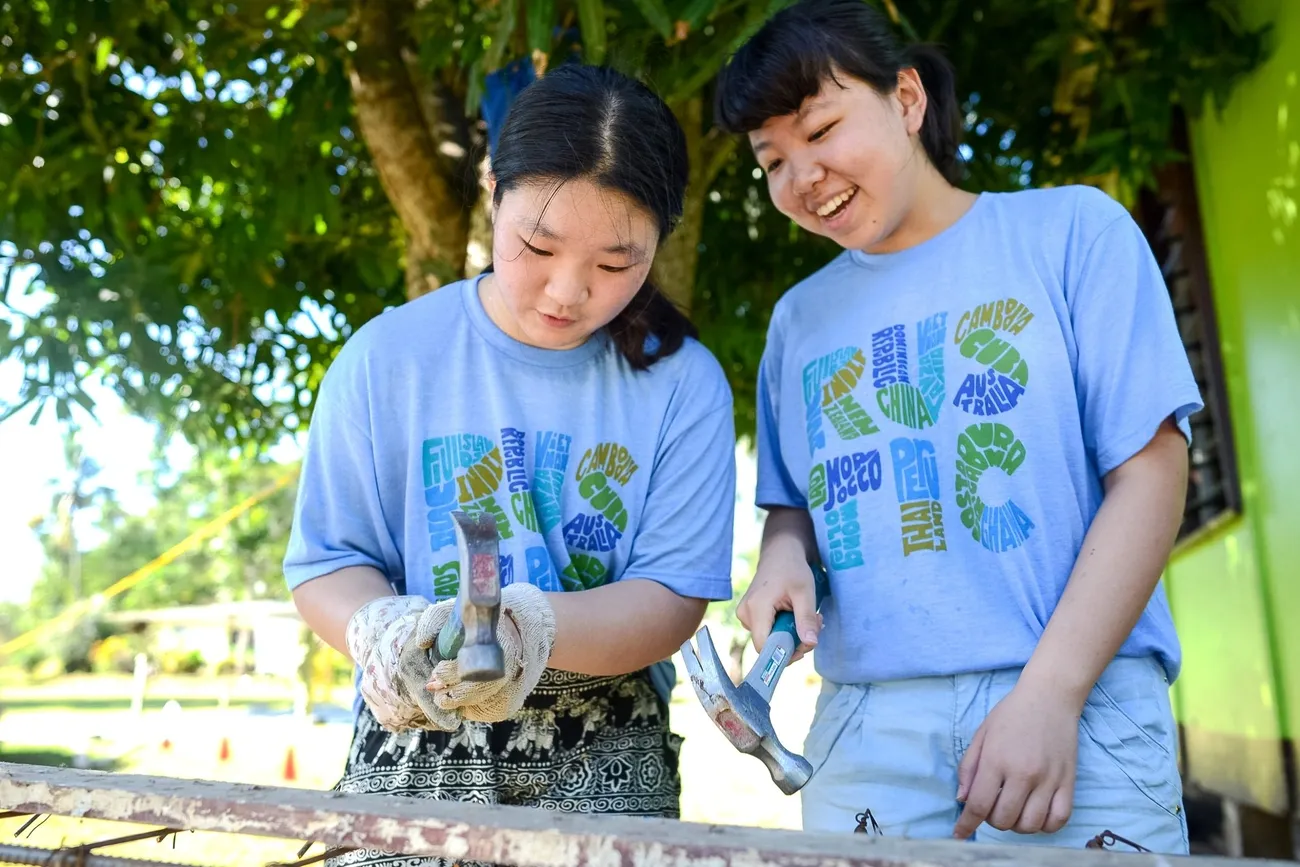
Image Source: Rustic Pathways
Organizing a summer sports camp provides an energetic CAS project that blends athletic instruction with youth mentorship. Through structured activities and games, you’ll help children develop crucial physical skills plus foster their social and emotional growth.
Project Overview
A summer sports camp is a structured program where young athletes improve sport-specific skills within a supportive environment. These camps typically run for one to several weeks during summer break, combining technical training with recreational activities. Effective camps balance skill development with entertaining elements—using morning sessions for structured drills and afternoon periods for game implementation and fun challenges. The format often includes station-based training where coaches work with small groups (8-10 children) before rotating to new activities. Many camps culminate in tournaments or competitions where participants demonstrate their newly acquired abilities.
Why It Makes a Difference
Summer sports camps create substantial impact beyond physical activity:
- Skill Development: Participants show noticeable improvement in athletic fundamentals from first day to last
- Confidence Building: Successfully mastering new skills instills self-belief that transfers to other areas of life
- Social Growth: Children develop friendship-building skills and teamwork capabilities
- Physical Benefits: Exercise improves memory, cognition, and mental health
- Leadership Development: Sports settings nurture decision-making and communication abilities
Fundamentally, these camps provide structured activity during summer months when many children lack productive outlets. Research demonstrates participants often develop higher GPAs and stronger critical thinking skills than their peers.
Steps to Get Started
To organize a successful sports camp:
- Define Clear Objectives – Determine whether you’re focusing on skill development, general conditioning, or teamwork building
- Secure Appropriate Facilities – Find locations with adequate space, bathrooms, water access, and safety features
- Recruit Qualified Coaches – Ensure staff members wear identifying uniforms and receive proper training
- Structure Your Programming – Create balanced schedules with skill-building drills in mornings and fun competitions in afternoons
- Implement Safety Protocols – Prepare clear medical procedures and establish hydration stations throughout your facility
- Plan Evaluation Methods – Develop ways to assess camp effectiveness through participant feedback
Remember that creating memorable experiences—not just hitting financial targets—defines truly successful camps.
Conclusion
Choosing the right CAS project transforms a graduation requirement into a life-changing experience that benefits both you and your community. Throughout this article, we’ve explored 45 diverse summer project ideas ranging from talent shows and community gardens to mental health campaigns and short films. Each option offers unique opportunities to develop valuable skills while creating meaningful impact.
Summer break provides the perfect window for deeper engagement with causes you care about. Whether your passion lies in environmental conservation, artistic expression, or community service, these projects allow you to channel your energy toward positive change.
Undoubtedly, the most successful CAS projects align with your personal interests rather than simply checking boxes. Students who connect their projects to genuine passions report greater satisfaction and often continue their involvement beyond IB requirements.
Beyond fulfilling academic criteria, these projects strengthen college applications by demonstrating initiative, leadership, and community engagement. Admissions officers consistently look for evidence of meaningful contributions outside the classroom.
The impact of your chosen project extends far beyond your IB diploma. Research repeatedly shows that early engagement in service and leadership creates patterns of civic involvement that last throughout adulthood. Essentially, your CAS project represents an opportunity to discover aspects of yourself while developing skills that universities and employers value.
As you consider which project might best suit your interests and abilities, remember that starting small with clear objectives often leads to more sustainable outcomes. Even modest efforts can create ripple effects within communities when approached with genuine commitment and careful planning.
What summer CAS project will you choose to make a difference in 2025?
References
[1] – https://msh.org/wp-content/uploads/2019/12/designing_and_implementing_a_highly_effective_youth_leadership_program-12.6.16.pdf
[2] – https://www.imgacademy.com/news/top-10-benefits-attending-sport-camp
[3] – https://www.hscommunities.com/post/promoting-cultural-events-and-festivals-in-local-communities
[4] – https://unitedwaygmwc.org/Speak-United-Blog/Why-Book-Drives-Matter
[5] – https://pmc.ncbi.nlm.nih.gov/articles/PMC7288198/
[6] – https://goodhartphotographyva.com/30-day-photography-challenge/
[7] – https://www.mekennasmoments.com/how-to-create-your-own-photo-challenge/
[8] – https://dancemarathon.childrensmiraclenetworkhospitals.org/resources/event-sprint/
[9] – https://www.techsoup.org/support/articles-and-how-tos/building-a-nonprofit-website-in-six-key-steps?srsltid=AfmBOoq9zwaE5_ekFC_WPmgOZz0YgPZ48sp3JoqAbpvWSMc5QPDbOyUS
[10] – https://getfullyfunded.com/non-profit-website/
[11] – https://www.wgu.edu/blog/importance-mental-health-awareness-schools1810.html
[12] – https://liveeventsolutions.com.ng/how-to-plan-a-cultural-event/
[13] – https://www.ksvt.org/article/the-case-for-student-journalism
[14] – https://vhlblog.vistahigherlearning.com/how-to-organize-a-successful-cultural-fair-at-your-school.html
[15] – https://www.sanfranciscofilmschool.edu/using-cinema-as-a-powerful-means-of-communication-for-social-issues/
[16] – https://www.i9sports.com/blog/benefits-of-youth-sports-camps-and-clinics
[17] – https://blog.jumbula.com/running-a-successful-sports-camp/
[18] – https://www.pointsoflight.org/resources/ultimate-book-drive-diy-project/
[19] – https://www.childrensbookproject.org/bookdrive/
[20] – https://www.brooklynbookbodega.org/host-book-drive
[21] – https://immigrationforum.org/article/new-paper-addresses-importance-language-learning/
[22] – https://icommunityhealth.org/addressing-challenges-and-misconceptions-related-to-immigrant-english-language-acquisition/
[23] – https://rm.coe.int/tool-10-what-is-involved-in-providing-language-support-for-refugees-la/1680717180
[24] – https://www.unhcr.org/handbooks/ih/language/language-training-programs
[25] – https://blog.adobe.com/en/publish/2021/09/10/creativity-as-self-care-how-photography-can-boost-your-wellness-practices
[26] – https://www.digitalphotomentor.com/photography-challenge-use-your-camera-daily/
[27] – https://livesnaplove.com/blog/30-in-30-photography-challenge
[28] – https://newsroom.childrensmiraclenetworkhospitals.org/dance-marathon-ranks-17th-nationally-among-top-peer-to-peer-fundraising-programs/
[29] – https://ufhealth.childrensmiraclenetworkhospitals.org/dance-marathon-at-uf-writes-the-story-for-children-raising-over-1-3-million/
[30] – https://blog.philanthropy.indianapolis.iu.edu/2020/12/23/dance-marathons-a-fundraising-powerhouse-and-so-much-more/
[31] – https://www.nami.org/advocacy/policy-priorities/improving-health/mental-health-in-schools/
[32] – https://www.wtwco.com/en-us/insights/2023/03/how-you-can-start-building-mental-health-awareness-in-your-organization
[33] – https://www.ucop.edu/student-mental-health-resources/suicide-prevention/awareness-campaigns.html
[34] – https://www.mentalhealthjournal.org/articles/mental-health-education-awareness-and-stigma-regarding-mental-illness-among-college-students.html
[35] – https://www.sfspca.org/join-our-community/volunteer/
[36] – https://epublications.marquette.edu/cgi/viewcontent.cgi?article=1053&context=cps_professional
[37] – https://www.lionstigersandbears.org/the-transformative-power-of-volunteering-with-animals/
[38] – https://ccspca.com/blog-spca/benefits-animal-shelter-volunteer/
[39] – https://www.sanjoseca.gov/your-government/departments-offices/animal-care-services/ways-to-give/volunteer-program
[40] – https://neonone.com/resources/blog/nonprofit-websites/
[41] – https://www.littlebigbox.co.uk/6-reasons-why-non-profit-organizations-need-to-have-an-epic-website/
[42] – https://www.forbes.com/councils/forbesnonprofitcouncil/2021/04/06/15-features-every-nonprofit-website-should-have/
[43] – https://doublethedonation.com/nonprofit-website-design-companies/
[44] – https://ed23foundation.org/leading-with-purpose-the-impact-of-leadership-development-on-underprivileged-communities/
[45] – https://www.researchgate.net/publication/387851505_THE_IMPACT_OF_YOUTH_BASIC_LEADERSHIP_TRAINING_ON_GENERATION_Z’S_LEADERSHIP_SKILL_ENHANCEMENT
[46] – https://www.uaex.uada.edu/business-communities/leadership/Designing Youth Leadership training Programs KSU.pdf
[47] – https://thesciencesurvey.com/editorial/2024/07/09/the-importance-of-school-newspapers-and-student-journalism/
[48] – https://makemynewspaper.com/how-to-start-a-school-newspaper
[49] – https://www.diplomaframe.com/chc-blog/how-to-start-a-student-newspaper/?srsltid=AfmBOoqydDTNxJ3sO5fiRBK6oO6sve5wfuORpXFm86YWrvCPyFZt2BLX
[50] – https://libguides.scu.edu/c.php?g=1327593&p=9777124
[51] – https://www.occasionsinc.com/post/organizing-cultural-events
[52] – https://www.ems-events.co.uk/how-to-organize-a-cultural-event
[53] – https://extension.umn.edu/vital-connections/community-festivals-big-benefits-risks-too
[54] – https://rfkhumanrights.org/our-voices/how-social-impact-campaigns-use-the-power-of-storytelling-to-drive-change/
[55] – https://avinashtripathiofficial.com/how-to-create-social-awareness-short-films/
[56] – https://www.careersinfilm.com/how-to-make-a-short-film/
[57] – https://sportsfacilities.com/how-to-run-a-successful-sports-camp/
[58] – https://www.ussportscamps.com/tips/benefits-of-sports-camps-for-kids-building-life-skills
[59] – https://www.elmens.com/health/sports/from-planning-to-execution-a-step-by-step-guide-to-hosting-successful-sports-camps/
[60] – https://upperhand.com/resources/sports-camp-guide/
Need Personalised Guidance?
Every student's situation is different. Our tutors can help you understand your options, plan your next steps, and make informed decisions about your IB journey. Find your tutor →
Frequently Asked Questions
How many CAS hours do I need for the IB Diploma?
The IB does not specify a minimum number of hours. Instead, students must demonstrate sustained engagement over at least 18 months, with a reasonable balance between Creativity, Activity, and Service components.
What counts as a CAS project?
A CAS project must involve collaboration and address at least one CAS strand. It should be initiated, planned, and executed by students, with a clear purpose and measurable outcomes. The project typically runs for at least one month.
What are good CAS project ideas?
Strong CAS projects address real community needs. Examples include organizing tutoring programs, creating environmental awareness campaigns, building community gardens, or developing apps that solve local problems. Choose something you care about.
How do I write CAS reflections?
Good CAS reflections go beyond describing what you did. Discuss what you learned, how you grew, challenges you faced, and how the experience connects to the CAS learning outcomes. Be honest and specific about your personal development.