How to Help Your Child Ace Mock Exams: A Parent's Essential Guide
How to Help Your Child Ace Mock Exams: A Parent's Essential Guide Did you know that 67% of students experience significant anxiety during mock exams? As a parent, watching your child navigate through these practice tests can feel overwhelming. However, mock exams aren't just another source of stress – they're actually powerful tools that can […]

Key Takeaways
- Mock exams are much more than simple practice tests.
- A successful approach to mock exam preparation starts with a structured study plan established 2-3 weeks in advance.
- Securing the right study resources is a crucial step in mock exam preparation.
- The week of mock exams can be particularly challenging for students.
- The morning of mock exams represents a crucial time for your child's performance.
How to Help Your Child Ace Mock Exams: A Parent’s Essential Guide
67% of students experience significant anxiety during mock exams. (This guide has been for the 2025-26 academic year.) This guide provides proven strategies to help you prepare effectively and perform at your best on exam day. (This guide has been for the 2025-26 academic year.) (This guide has been for the 2025-26 academic year.)
As a parent, watching your child navigate through these practice tests can feel overwhelming. However, mock exams aren’t just another source of stress – they’re actually powerful tools that can boost your child’s confidence and academic performance. Learn more in our guide on managing exam stress.
In fact, students who take mock exams seriously typically score 15-20% higher on their final examinations. That’s why proper preparation and parental support make all the difference.
I’ve gathered proven strategies to help your child excel in their mock exams, from creating effective study plans to managing exam-day stress. Whether you’re new to this journey or looking to improve your support approach, this guide will show you exactly what to do, step by step.
Ready to help your child turn mock exams into stepping stones for success? Let’s get started!
Supporting your child through the IB can feel overwhelming, but you don't have to do it alone. A dedicated tutor can provide the academic support your child needs while giving you peace of mind. Tell us what your child needs help with →
Understanding Mock Exams and Their Purpose
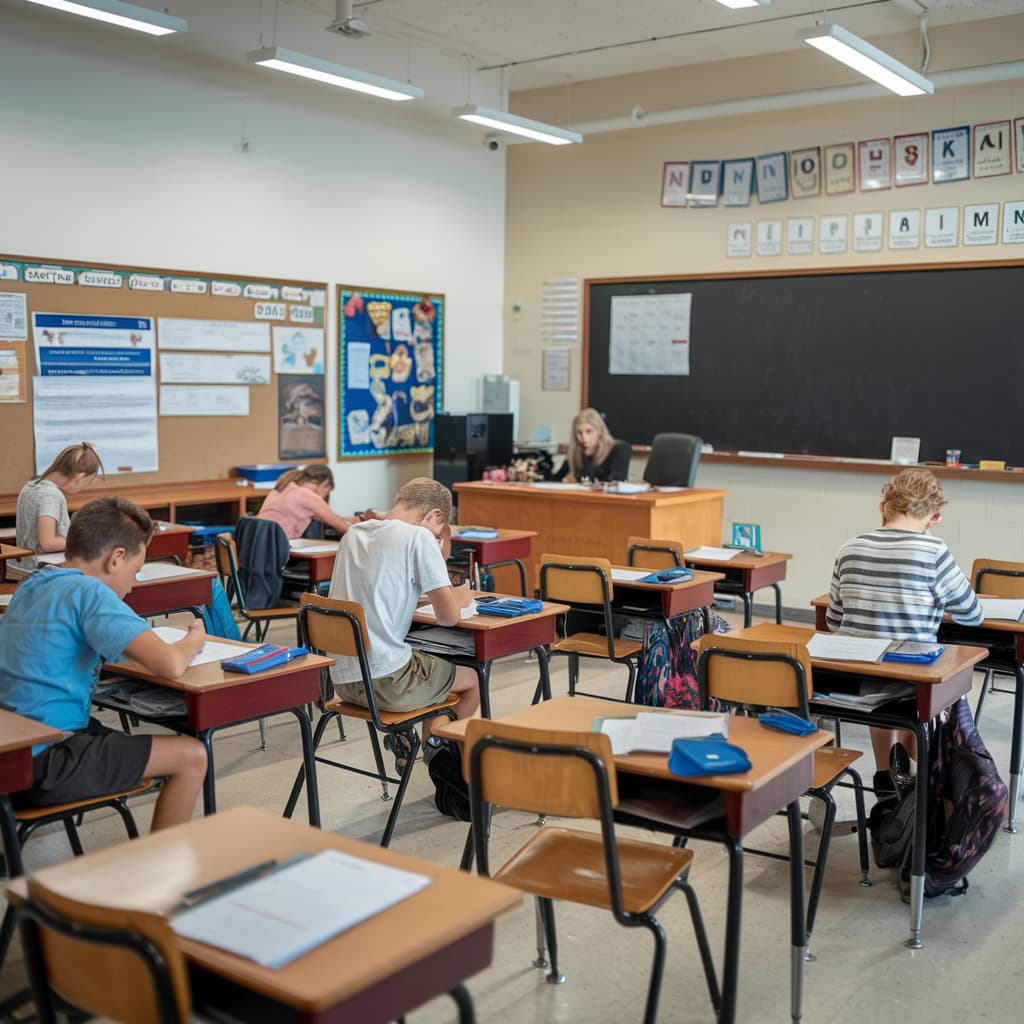
Mock exams are much more than simple practice tests. They’re structured simulations designed to replicate the format, pressure, and time constraints of actual exams. As a parent, I’ve seen firsthand how these trial runs provide invaluable insights for both students and parents alike. For more on this, see our guide on understanding IB grading.
Why mock exams matter
The primary purpose of mock exams is to familiarize students with test conditions. Think of them as dress rehearsals before the main performance. These practice assessments provide a safe environment where your child can make mistakes without consequences, allowing them to:
- Assess their understanding of subject matter and identify areas of strength and weakness
- Experience exam-related pressure in a controlled setting, helping reduce anxiety during actual exams
- Develop crucial time management skills for the real test
- Build confidence and independence when facing examination situations
Research shows that mock exams are particularly effective because they simulate the real examination’s intensity and format. By participating in these controlled practice sessions, students become accustomed to potential stress factors, which significantly reduces test anxiety during the actual examination.
Additionally, mock exams provide immediate feedback on performance. Studies indicate that 69.7% of students outperform their mock examination grades in the final assessment, showing how these practice tests motivate improvement.
How mock results shape final exam preparation
The real value of mock exams lies not in the grades themselves but in how the results guide preparation for final exams. As one educational expert notes, “Students often fixate on their mark, letting it overshadow the true purpose of a mock exam”. Instead, I encourage parents to help children view these results as diagnostic tools.
When analyzing mock exam results, focus on these key aspects:
First, mock exams effectively pinpoint specific knowledge gaps. They reveal exactly which topics or concepts need additional attention, enabling your child to create targeted study plans focused on areas of weakness rather than wasting time reviewing material they’ve already mastered.
Second, mock results highlight issues with exam technique. Lost marks typically stem from four main areas: not knowing the information, not recalling it correctly, not understanding it fully, or poor exam technique. Understanding which category your child’s mistakes fall into allows for more strategic preparation.
Furthermore, mock exams provide an accurate prediction of potential performance. Consistent results across multiple practice tests offer a reasonable estimate of how your child might perform in the final examination, helping set realistic expectations and goals.
Most importantly, mock exams function as formative assessment tools. Research demonstrates that formative assessments like mock examinations significantly enhance student learning by reinforcing important concepts and improving retention. As a result, students who take mock exams seriously tend to develop stronger exam strategies and experience less anxiety during the actual assessment.
Creating a Study Plan (2-3 Weeks Before)
A successful approach to mock exam preparation starts with a structured study plan established 2-3 weeks in advance. Research shows that students who create written schedules and follow them study more efficiently and achieve better grades than those who don’t. Let’s examine how to build an effective study strategy with your child.
Setting realistic goals with your child
Establishing clear, achievable goals is the foundation of effective preparation. According to research, when students set academic goals for themselves, they develop a growth mindset. To begin with, sit down with your child and discuss what they specifically want to achieve in their mock exams.
Follow these steps to create meaningful goals:
- Make each goal ambitious yet realistic—something that stretches your child’s skills without overwhelming them
- Ensure goals are specific and measurable, such as “complete 10 practice questions on trigonometry daily” rather than simply “review math”
- Focus on the process rather than just outcomes—goals about study habits often yield better results than grade-focused targets
Remember that goal setting shouldn’t be a one-time activity. Studies indicate that regular goal review sessions help students maintain motivation and make necessary adjustments. Schedule weekly check-ins to discuss progress and adapt goals as needed.
Breaking down subjects into manageable chunks
Once goals are established, help your child organize study materials into smaller sections. Research indicates that organizing materials into bite-sized topics makes the entire process feel less overwhelming.
Effective chunking strategies include:
- Dividing each subject by chapter, topic, or lecture
- Creating a weekly plan with consistent study sessions focused on challenging topics
- Allocating specific time slots for different subjects, avoiding more than 1-2 hours on any single subject
Certainly, switching between subjects enhances learning. Studies show that mixing tasks and topics (called “interleaving”) forces students to process similarities and differences among subjects, leading to deeper understanding. Accordingly, encourage your child to study different subjects each day rather than focusing on just one subject for extended periods.
Building in rest days
Rest is equally important as study time in exam preparation. Research demonstrates that taking at least one full day off per week prevents burnout and improves long-term productivity. Moreover, students often underestimate how much time assignments will take, so building buffer time into the schedule is essential.
Planning effective breaks requires strategy. Short breaks (5-10 minutes) between 30-60 minute study sessions help maintain concentration. Additionally, scheduling longer breaks for activities your child enjoys—whether grabbing a snack or watching a favorite show—allows them to recharge before returning to studies.
Sleep quality is particularly critical during exam preparation. Research shows that memory is one of the first things affected by insufficient sleep. Subsequently, ensure your child’s study plan includes consistent bedtimes and wake-up times, even on weekends.
Finally, help your child recognize signs of burnout. Students who attempt marathon study sessions often experience diminished returns—getting questions wrong and struggling to concentrate. By planning rest strategically, you’ll help your child maintain the mental sharpness needed for effective mock exam preparation.
Gathering the Right Resources (1-2 Weeks Before)
Securing the right study resources is a crucial step in mock exam preparation. Once you’ve established a study plan, the next phase involves gathering materials that will give your child the best chance of success.
Finding past papers and mark schemes
Past exam papers are the most valuable resources for mock exam preparation. They provide authentic questions and format similar to what your child will face. Most examination boards like AQA, Pearson (Edexcel), and OCR offer free access to past papers and mark schemes on their official websites.
Keep in mind that papers from the last 9-12 months are typically locked for teachers’ use in creating mock exams. If you encounter this limitation, don’t worry—there are still plenty of older papers available that remain relevant for practice.
The key benefits of using official past papers include:
- Familiarity with question styles and formats
- Practice with authentic marking criteria
- Insight into examiner expectations
- Opportunity to identify knowledge gaps
Since research indicates that repeated practice with past exam papers is crucial for success, aim to collect papers from at least the previous three exam cycles.
Organizing study materials
Proper organization of study materials prevents wasted time and reduces stress. Start by gathering and organizing all lecture notes, ensuring they’re complete and arranged by topic rather than date. Check for any missing notes and fill gaps by borrowing from classmates.
Next, collect all assignments, problem sets, and previous quizzes, then group them by topic rather than chronology. This approach creates focused practice packages that allow your child to systematically work through each subject area.
Similarly, print out all available practice exams, old exams, and their corresponding solution documents. These should be prioritized in the study plan as they provide the most accurate indication of what the actual exam will entail.
Useful online tools and websites
Beyond official exam board resources, numerous online tools can enhance mock exam preparation. These platforms offer practice tests, study guides, and additional support:
- Khan Academy: Provides free practice tests across various subjects
- Mometrix Academy: Offers free practice tests and study guides for numerous exams
- Quizlet: Features user-created study materials for various subjects
- ClassMarker: Allows for timed practice tests that simulate exam conditions
For creating custom study guides, tools like Google Docs or Microsoft Word are sufficient. If your child prefers visual learning, consider Canva for creating visually appealing study notes.
Throughout this resource-gathering phase, remember that quality matters more than quantity. Help your child focus on official past papers and mark schemes first, then supplement with other resources. Also, organize all materials by topic for more efficient studying.
Most importantly, this preparation should happen 1-2 weeks before mock exams begin, allowing your child sufficient time to become familiar with the materials while still maintaining the schedule you’ve already established.
Supporting Your Child the Week of Exams
The week of mock exams can be particularly challenging for students. During this critical period, your role as a parent becomes even more valuable to your child’s success and wellbeing.
Creating a calm home environment
Household atmosphere directly impacts your child’s ability to concentrate and manage stress. When school demands increase, your child’s capacity to handle other responsibilities decreases. Therefore, consider temporarily reducing expectations regarding chores and optional activities, which indirectly helps your student experience less overall stress.
Family rules around study time are essential. Ensure everyone adheres to agreed quiet hours so your child isn’t attempting to revise while siblings are loudly playing in adjacent rooms. Additionally, take care of your own emotional wellbeing—children mirror their parents’ emotions, hence maintaining a composed demeanor helps reduce their anxiety.
Most importantly, remind your child that you love them regardless of exam scores, which often lowers stress pressure significantly. Creating this sense of unconditional support provides stability during an uncertain time.
Preparing nutritious brain foods
Proper nutrition plays a crucial role in cognitive function during exam week. Nutritionists emphasize that the best brain foods are those that protect heart and blood vessels. Include these proven brain-boosters in your child’s diet:
- Green leafy vegetables rich in vitamin K, lutein, and folate
- Fatty fish containing omega-3 fatty acids that improve memory
- Berries with flavonoids that enhance memory and brain processing speed
- Walnuts and other nuts high in healthy fats and protein
Hydration remains equally important—even mild dehydration may slow the speed at which the brain processes information. Meanwhile, avoid high-sugar treats despite your child’s cravings. The temporary high from sugary foods quickly leads to crashes in blood sugar levels, resulting in fatigue and muddled thinking.
Managing sleep routines
Despite the temptation to allow late-night studying, proper sleep is non-negotiable during exam week. Adults need at least seven hours of sleep nightly, while teenagers require eight to ten hours. Sleep deprivation worsens cognitive performance, memory, creativity, and logical reasoning—precisely the skills needed for exam success.
Establish a consistent bedtime routine including these evidence-based practices:
Schedule dinner before 7pm, as eating late meals alters internal body clocks and impairs sleep. Likewise, limit caffeine after 3pm and remove electronic devices from the bedroom. Blue light from screens influences circadian rhythms and delays the release of melatonin, resulting in light, non-refreshing sleep.
If your child struggles to fall asleep, encourage them to employ the 15-minute rule: if they can’t sleep after what feels like 15 minutes, they should leave the bedroom, read or relax elsewhere, and return only when feeling sleepy again. Worrying about not sleeping only creates a counterproductive cycle of anxiety.
What to Do on Exam Days
The morning of mock exams represents a crucial time for your child’s performance. First and foremost, having a structured approach on exam days helps reduce anxiety and promotes optimal results.
Morning routines that reduce stress
Early rising proves essential on exam days. Help your child wake up with enough time to prepare without rushing, ideally 20 minutes before they need to leave. This extra time provides a buffer against the panic of potentially oversleeping, which many students find disruptive to their concentration.
A stress-reducing morning routine should include:
- Immediate hydration – Drinking a glass of water first thing helps activate brain function, especially important as many students are chronically dehydrated
- Light physical activity – A brief stretching session or short walk improves blood circulation and releases tension
- Deep breathing exercises – Five minutes of slow breathing tells the brain “I am safe and calm”
- Distraction-free time – Keep phones on airplane mode until after breakfast to avoid stress from notifications
Primarily, ensure your child eats a nutritious breakfast focused on protein and healthy fats rather than simple carbohydrates. Foods like eggs, avocados, and nuts provide sustained energy without the crash that sugary cereals cause.
Packing the right supplies
Notably, organization reduces last-minute panic. Create a checklist of exam essentials the night before:
- Subject-specific items (calculator for math/science, protractor, compass)
- Multiple pens and pencils
- Water bottle (clear, without labels)
- ID or required documentation
- Any permitted materials like revision notes for open-book exams
Throughout the preparation process, remember that routines build confidence. Consider organizing an “exam day folder” containing all required documents and materials. This minimizes forgetting crucial items when under pressure.
Undoubtedly, a calm, organized approach on exam mornings significantly impacts performance. By following these practical steps, you’re providing your child with the best foundation for mock exam success.
Many parents find it helpful to bring in an experienced tutor who can work directly with their child on the areas that matter most. Our IB tutors understand both the academic and emotional challenges students face. Get matched with a tutor →
Conclusion
Mock exams offer much more than practice – they provide essential insights that shape your child’s academic success. Students who approach these practice tests strategically often see significant improvements in their final exam performance.
Certainly, proper preparation makes all the difference. A well-structured study plan, combined with the right resources and a supportive home environment, helps your child build confidence and reduce anxiety. Additionally, maintaining healthy sleep patterns and nutrition during exam week strengthens their ability to perform well.
Most importantly, remember that your role as a parent directly influences your child’s success. Your consistent support and guidance through mock exams help develop strong study habits that last well beyond test day. Parents, support your child’s IB journey with tailored tutoring from IB ++tutors. Learn how we can help!
Therefore, use this guide as your roadmap to help your child excel in mock exams. With the right preparation, organization, and support, these practice tests become valuable stepping stones toward academic achievement rather than sources of stress.
Ready to Boost Your ESS Grade?
Give Your Child the Support They Deserve
Our IB tutors specialise in helping students build confidence and achieve their best results. Whether your child needs help with specific subjects or general IB guidance, we'll match them with a tutor who gets it. Find your tutor →
FAQs
Q1. How far in advance should my child start preparing for mock exams?
It’s best to start preparing 2-3 weeks before the mock exams. This gives enough time to create a study plan, gather resources, and break down subjects into manageable chunks without feeling rushed.
Q2. What are the most effective study materials for mock exam preparation?
Past exam papers and mark schemes from official examination boards are the most valuable resources. They familiarize students with question styles, marking criteria, and examiner expectations. Supplement these with lecture notes, assignments, and online tools like Khan Academy or Quizlet.
Q3. How can I help reduce my child’s stress during mock exam week?
Create a calm home environment by reducing chores, maintaining quiet hours, and expressing unconditional support. Prepare nutritious meals rich in brain-boosting foods, and ensure your child maintains a consistent sleep routine with 8-10 hours of sleep nightly.
Q4. What should be included in a morning routine on exam days?
A stress-reducing morning routine should include early rising, immediate hydration, light physical activity, deep breathing exercises, and a nutritious breakfast. Avoid phone notifications and ensure all necessary supplies are packed the night before. Explore our detailed guide on master deep breathing for anxiety for more tips.
Q5. How important are mock exams for final exam performance?
Mock exams are crucial for final exam success. They help students identify knowledge gaps, improve time management skills, and reduce anxiety by simulating real exam conditions. Students who take mock exams seriously typically score 15-20% higher on their final examinations. You may also find our resource on create a time management infographic helpful.
References
[1] – https://mblexguide.com/how-to-create-effective-1-page-study-guides/
[2] – https://www.psychologytoday.com/us/blog/whats-parent-do/202105/tips-support-your-kids-through-exam-season
[3] – https://www.oppidaneducation.com/blog/5-reasons-why-mock-exams-matter
[4] – https://sherpa-online.com/blog/read/6-reasons-mock-exams-are-super-important
[5] – https://pmc.ncbi.nlm.nih.gov/articles/PMC10159607/
[6] – https://www.sec-ed.co.uk/content/best-practice/how-teachers-can-use-mock-exam-results-to-boost-student-progress/
[7] – https://libguides.law.villanova.edu/Studyaidsandexamprep/timemanagement
[8] – https://www.rethinkstudying.com/exam-day-routine/
[9] – https://www.theyarethefuture.co.uk/exam-day-tips/
[10] – https://www.coachingactuaries.com/blog/study-tips/how-to-create-a-winning-study-schedule-for-actuary-exam-p
[11] – https://vishalcpaprep.com/blogs/news/cpa-exam-study-schedule-create-your-perfect-study-plan?srsltid=AfmBOoqwZ4v4rcP_Fn3Kh26UT5Wnj4j_qnVTsNCXbBeHMovBbv-opD_P
[12] – https://www.apa.org/gradpsych/2011/11/study-smart
[13] – https://agentsofchangeprep.com/blog/from-study-fatigue-to-focus-re-energizing-your-aswb-exam-preparation/
[14] – https://www.sleepfoundation.org/school-and-sleep/final-exams-and-sleep
[15] – https://www.reddit.com/r/CPA/comments/184ejrz/do_you_ever_just_take_a_day_off/
[16] – https://www.aqa.org.uk/find-past-papers-and-mark-schemes
[17] – https://qualifications.pearson.com/en/support/support-topics/exams/past-papers.html
[18] – https://highgroveeducation.com/mock-exam-tips/
[19] – https://www.prep101.com/tip/how-to-gather-and-organize-your-material-for-final-exams/?u=UBC
[20] – https://www.quora.com/What-are-some-websites-that-can-help-students-with-their-mock-tests-for-free-Why-dont-they-charge-anything-at-all-on-those-sites
[21] – https://www.mometrix.com/academy/
[22] – https://www.classmarker.com/
[23] – https://study.uq.edu.au/stories/how-create-positive-study-environment-home
[24] – https://www.plusplustutors.com/how-to-help-your-kids-taking-tests-a-parents-proven-guide-to-mock-exam-success/
[25] – https://www.health.harvard.edu/healthbeat/foods-linked-to-better-brainpower
[26] – https://www.bbcgoodfood.com/health/family-health/eating-exams
[27] – https://www.surrey.ac.uk/features/sleep-tips-exam-success
[28] – https://www.expresstuition.org/11-mock-tests/mock-exam-day-checklist/
[29] – https://www.chantryschool.com/wp-content/uploads/2018/05/Year-10-mock-exams-reminders-and-EQ-for-website.pdf
[30] – https://satsuite.collegeboard.org/k12-educators/educator-experience/in-school/preparing-students