How to Help Your Child Master Picture Questions: A Parent's Guide to Exam Success
How to Help Your Child Master Picture Questions: A Parent's Guide to Exam Success Did your child ever stare blankly at picture questions during an exam, unsure how to approach them? You're not alone. Many parents watch their children excel at standard test formats but struggle when faced with visual prompts. Picture questions actually test […]
Key Takeaways
- Picture questions appear across many educational assessments, yet they're often misunderstood by both parents and students.
- Visual thinking skills form the foundation for answering picture questions effectively, and these skills can be developed through regular practice at home.
- Establishing a consistent study routine is essential for mastering picture questions, as regular practice helps cement visual interpretation skills.
- Proper preparation on the day of the exam can make a significant difference in how well your child handles picture questions.
- Your home environment plays a crucial role in building the visual literacy skills needed for tackling picture questions effectively.
How to Help Your Child Master Picture Questions: A Parent’s Guide to Exam Success
Did your child ever stare blankly at picture questions during an exam, unsure how to approach them? (This guide has been for the 2025-26 academic year.)
You’re not alone. Many parents watch their children excel at standard test formats but struggle when faced with visual prompts. Picture questions actually test a unique set of skills that many students haven’t specifically developed, despite how important visual literacy has become in modern education.
As a parent, I’ve seen firsthand how the right preparation can transform confusion into confidence. Picture questions might seem challenging initially, but with targeted practice and the right approach, your child can master them.
In this guide, I’ll share practical strategies to help your child interpret images effectively, develop their visual thinking skills, and approach exam day with confidence. Whether they’re preparing for standardized tests or classroom assessments, these techniques will equip them with valuable skills that extend beyond just getting good grades.
Supporting your child through the IB can feel overwhelming, but you don't have to do it alone. A dedicated tutor can provide the academic support your child needs while giving you peace of mind. Tell us what your child needs help with →
Understand What Picture Questions Are
Picture questions appear across many educational assessments, yet they’re often misunderstood by both parents and students. Understanding these visual challenges is the first step to helping your child excel. For more on this, see our guide on understanding IB grading.
Types of picture-based questions in exams
Picture-based questions come in several distinct formats, each testing different cognitive abilities. Most commonly, students encounter:
- Picture Classification: These require identifying which image doesn’t belong in a group by evaluating similarities and differences among objects.
- Picture Analogy: Students face a matrix where they must identify relationships between objects in the first row, then apply this pattern to complete the second row.
- Picture Series: These present a sequence of objects where students predict what comes next according to an underlying pattern.
- Graph-Based Questions: These represent relationships between two or more quantities, requiring analysis of visual data.
- Puzzle-Based Questions: Students must identify missing pieces or analyze complex visual patterns.
These questions appear frequently in aptitude tests, standardized exams, and classroom assessments, particularly in early education (kindergarten through 2nd grade).
Why visual questions challenge some students
Visual questions present unique hurdles that text-based questions don’t. First, they require visual literacy—the ability to interpret and make meaning from images—which many children haven’t specifically developed. Research shows that information presented visually is processed through a different cognitive channel than verbal information. Consequently, students without strong visual processing skills may struggle, even if they excel at text-based questions.
Furthermore, these questions often contain multiple components to analyze simultaneously. For example, in logical reasoning tests with grids, students must identify patterns across rows and columns while tracking multiple variables like shape, position, and shading.
Another challenge is time management. Students often need practice to quickly analyze visual information under exam conditions. As one assessment specialist notes, “Respondents must focus on training their eyes and mind to grasp the details and process the information at a faster pace.”
How these questions test comprehension and logic
Picture questions aren’t just decorative alternatives to text—they test specific intellectual skills. First, they evaluate a student’s ability to identify patterns and relationships between elements, a fundamental aspect of logical thinking. Additionally, they require students to infer rules from visual data and apply them to new situations.
Visual questions also test a student’s ability to:
- Identify similarities and differences between objects
- Apply logical rules consistently
- Make predictions based on observed patterns
- Process complex information efficiently
Research with college students showed that incorporating image-based questions improved learning outcomes and exam scores. One study found that active learning exercises with image-based questions was “associated with an improvement in test scores.”
For parents, understanding these aspects of picture questions provides insight into why some children struggle with them. Rather than indicating poor academic ability, difficulties often point to specific visual processing skills that need development—skills that, with practice, can significantly improve your child’s performance across many subjects.
Build Strong Visual Thinking Skills
Visual thinking skills form the foundation for answering picture questions effectively, and these skills can be developed through regular practice at home. Through structured activities, your child can improve their ability to process visual information—a crucial skill for academic success.
Practice describing images in detail
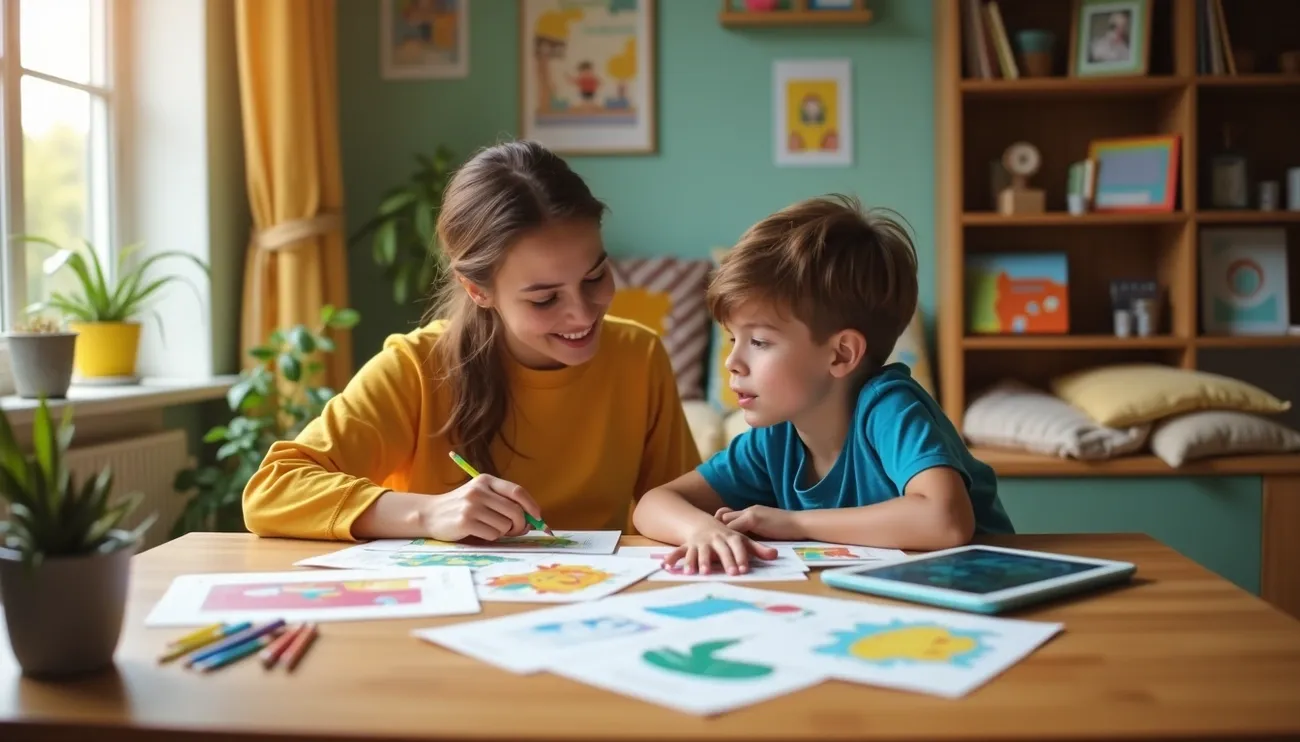
Teaching your child to analyze images thoroughly helps them extract essential information. I recommend starting with a simple exercise: show your child a photograph and ask them to describe what they see. Initially, they might mention only obvious elements, yet gradually guide them toward noticing details, relationships between objects, and context clues.
Start by teaching proper vocabulary for different parts of an image—foreground, background, center, left, right, top, and bottom. These orientation terms help children organize their observations and communicate more precisely about what they see.
When practicing, ask questions that prompt deeper thinking: “What do you notice in the picture? How does that color make you feel? What might have happened before this moment?” These prompts encourage your child to move beyond surface-level observations toward interpretation and inference—precisely what picture questions test.
Moreover, this technique works with children as young as kindergarten. Ask them to close their eyes after viewing an image and mentally recreate it, then describe or draw what they visualized. This exercise strengthens visual memory, a critical component of answering picture questions correctly.
Use picture books and storyboards
Picture books offer more than entertainment—they’re powerful tools for developing visual literacy. When reading with your child, pause to discuss the illustrations in detail. Notice how the technical elements of illustrations—color, line, shape, and composition—contribute to the story.
Picture books help children connect visual elements with meaning. Research shows that when children see pictures and words together, they more easily connect concepts and develop both receptive and expressive language skills. Furthermore, wordless picture books are especially valuable, as they encourage children to construct narratives based solely on visual information.
Storyboarding takes this practice further. I find this technique particularly effective because it forces students to think of content in chunks while placing information into logical sequences. Have your child create simple storyboards for stories they know, or ask them to arrange images in sequence to tell a new story. This reinforces understanding of narrative structure and visual sequencing—skills directly applicable to answering picture questions.
Play games that involve visual clues
Games provide enjoyable, practical ways to strengthen visual perception skills. Consider introducing:
- Pattern recognition games like Spot It or Set, which train visual discrimination and processing speed
- Spatial puzzles such as tangrams or jigsaw puzzles that build visual-spatial awareness
- Memory games that require recalling visual sequences
- Hidden picture activities that develop figure-ground perception and visual attention
These games aren’t merely entertainment—each targets specific visual processing components necessary for interpreting picture questions. For instance, Logic Links puzzles strengthen visual reasoning and sequencing, while games like Q-Bitz challenge visual agility through pattern recreation.
The best approach combines these activities into your family routine. Short, consistent practice sessions yield better results than occasional long ones. After a few weeks of regular practice, you’ll likely notice improvements in your child’s confidence when approaching visual tasks—including those challenging picture questions.
Create a Study Routine That Works
Establishing a consistent study routine is essential for mastering picture questions, as regular practice helps cement visual interpretation skills. Once your child understands what picture questions are and has started building their visual thinking abilities, the next step is creating a structured approach to practice.
Break down practice into short sessions
Long study marathons rarely produce good results. Instead, shorter, focused sessions prove much more effective for learning. The Pomodoro Technique works exceptionally well—have your child study for 25 minutes followed by a 5-minute break. After completing four cycles, take a longer 15-30 minute break to recharge.
Short study periods offer several advantages for picture questions:
- They match children’s natural attention spans
- They prevent visual fatigue that impacts performance
- They allow information to settle in memory between sessions
- They make practice feel less overwhelming
Research shows that “spaced practice” or “distributed practice” is far superior to cramming. This approach encourages studying over an extended period rather than intensively the night before. When our brains almost forget something, they work harder to recall that information, strengthening connections. Additionally, spacing out study allows your child’s mind to make connections between ideas and build upon knowledge that can be easily recalled later.
Use past papers with picture questions
Past exam papers are invaluable tools for preparation. They familiarize your child with question formats and help identify areas needing improvement. However, don’t just have your child complete past papers—use them strategically:
First, download several past papers from the relevant exam board’s website. Before diving in, check with teachers about any changes to the exam format or curriculum.
Go beyond simply answering questions. Have your child create pictorial representations of processes or concepts in the paper. This technique, called dual coding, combines words and visuals—cognitive science shows it’s a powerful study method that helps concepts stick.
For mathematical picture questions, encourage your child to create flowcharts showing the steps needed to reach solutions. This helps them evaluate how well they understand each step, making them better prepared for unfamiliar questions.
Finally, simulate actual exam conditions. Set a timer, find a quiet room, and follow the real exam format. This practice helps manage time effectively and reduces anxiety on test day. Explore our detailed guide on master deep breathing for anxiety for more tips.
Mix in fun activities to avoid burnout
Balancing focused study with enjoyable activities prevents burnout—a state of physical or emotional exhaustion that impacts performance. Signs include decreased motivation, increased anxiety, trouble sleeping, and disinterest in subjects.
Schedule regular physical activity between study sessions. Even a 20-minute brisk walk, short dance session, or light yoga can significantly boost focus and mood. Physical exercise fights fatigue, increases energy levels, and releases endorphins that improve mood and reduce stress.
Likewise, vary study environments to maintain motivation. If your child becomes frustrated or antsy, changing where they’re working can refresh their perspective. Sometimes a simple change of scenery is all they need to regain focus.
Above all, remember that success comes from consistent, balanced practice—not marathon sessions that leave your child dreading picture questions altogether.
Test Day Preparation for Picture Questions
Proper preparation on the day of the exam can make a significant difference in how well your child handles picture questions. Following a few key strategies will help ensure your child approaches these visual challenges with confidence and clarity.
Get enough sleep the night before
A well-rested brain performs significantly better on picture questions than one running on insufficient sleep. Research shows that after two weeks of sleeping six hours or less a night, students perform as poorly as someone who has gone without sleep for 48 hours. This happens because sleep is essential for memory consolidation—it’s when your brain commits information to long-term storage.
Throughout the night, your brain cycles through different sleep stages, with deep sleep being particularly important for releasing growth hormones and strengthening immunity. For adolescents aged 12-18, this means getting 8.5 to 9.5 hours of sleep every night.
Prior to the exam, encourage your child to:
- Maintain a consistent sleep schedule
- Avoid caffeine after mid-day
- Stop using electronic devices at least one hour before bedtime
Pack all needed supplies
Arriving at the exam without essential materials can create unnecessary stress that affects performance on picture questions. I recommend preparing all supplies the night before to minimize morning anxiety. Learn more in our guide on managing exam stress.
Essential items include:
- Two pencils with erasers and two black or dark blue pens
- A watch (not a smartwatch)
- Required identification (school ID or government-issued photo ID)
- A water bottle in a clear container
- Any specifically allowed calculators or tools
Equally important is knowing what not to bring. Most exams prohibit electronic devices, smart glasses, Bluetooth devices, textbooks, notes, mechanical pencils, and food.
Remind your child to read instructions carefully
Picture questions often come with specific instructions that can easily be overlooked when students rush. Remind your child to spend the first few minutes reading all instructions completely. This simple step prevents misunderstandings that lead to incorrect answers.
Alongside reading instructions, encourage your child to check how much time they have for each section and plan accordingly. Some picture questions require more processing time than others, so strategic time management is crucial.
Certainly for visual questions in particular, misinterpreting what the question asks can lead to completely incorrect approaches—no matter how well your child understands the material itself.
How Parents Can Support at Home
Your home environment plays a crucial role in building the visual literacy skills needed for tackling picture questions effectively. With the right approach, you can turn everyday conversations into powerful learning opportunities.
Talk through images together
Regular discussions about images build your child’s visual analysis skills naturally. When looking at pictures together, start by simply asking, “What’s going on in this picture?” As your child responds, point to the features they mention, making connections between their words and visual elements. Next, ask the essential follow-up: “What do you see that makes you say that?” This encourages evidence-based thinking—precisely what picture questions test.
Unlike formal exercises, these conversations should feel relaxed yet purposeful. Remember, there are no right or wrong answers in visual interpretation. The goal is developing observation skills, not finding a single correct response. Take turns sharing what you each notice, creating a back-and-forth dialog that deepens understanding.
Encourage your child to explain their thinking
After discussing images verbally, occasionally ask your child to write down their observations. First, have them write what they think is happening in the picture, then note specific evidence supporting their interpretation. This written practice reinforces the mental processes needed during exams.
Essentially, we’re teaching children to justify their reasoning—a skill that transfers directly to picture questions. When children explain their thinking process aloud, they organize their thoughts and identify gaps in their understanding. Yet allow space for multiple interpretations; research shows exploring various viewpoints strengthens critical thinking.
Stay positive and reduce pressure
Your emotional support fundamentally affects how your child approaches challenging questions. Before practice sessions, reassure them that nervousness is natural—it’s how we manage these feelings that matters. Indeed, maintaining a positive atmosphere makes all the difference.
After practice attempts, focus conversations on what went well rather than mistakes. Ask specific questions about their thought process: “How did you figure out that pattern?” This builds confidence in their reasoning abilities. Undoubtedly, children perform better when they know your love doesn’t depend on their exam results. Simply letting them know you’re proud of their efforts regardless of outcomes reduces anxiety about picture questions tremendously.
Many parents find it helpful to bring in an experienced tutor who can work directly with their child on the areas that matter most. Our IB tutors understand both the academic and emotional challenges students face. Get matched with a tutor →
Conclusion
Picture questions might seem daunting at first, but with targeted practice and the right approach, your child can master them successfully. Throughout this guide, we’ve explored how visual thinking skills form the foundation for academic excellence, especially when tackling image-based exam questions.
Remember that consistency matters more than intensity. Short, regular practice sessions yield better results than occasional cramming. Additionally, creating a supportive home environment where you discuss images together helps develop the visual literacy skills your child needs.
The strategies we’ve discussed—from describing images in detail to playing visual games—build critical thinking abilities that extend far beyond exam day. These skills benefit your child across multiple subjects and real-life situations where visual information needs interpretation.
Test day preparation remains equally important. Proper sleep, organized materials, and careful instruction-reading can make a significant difference in your child’s performance and confidence level.
Most importantly, your role as a supportive parent cannot be overstated. Your positive encouragement, patience, and willingness to engage with your child’s learning journey creates the foundation for their success. Share this IB ++tutors’ post-exam roadmap to support your child through their academic challenges and watch their confidence with picture questions grow steadily.
Finally, though mastering picture questions takes time and practice, the visual thinking skills your child develops now will serve them throughout their education and beyond. Your investment in these abilities today creates lasting benefits for their tomorrow.
Ready to Boost Your ESS Grade?
Give Your Child the Support They Deserve
Our IB tutors specialise in helping students build confidence and achieve their best results. Whether your child needs help with specific subjects or general IB guidance, we'll match them with a tutor who gets it. Find your tutor →
FAQs
Q1. Why are picture questions challenging for some students?
Picture questions require visual literacy skills that many students haven’t specifically developed. They test the ability to interpret images, identify patterns, and process complex visual information quickly, which can be difficult for those more accustomed to text-based questions.
Q2. How can parents help improve their child’s visual thinking skills at home?
Parents can help by practicing image description, using picture books, playing visual games, and engaging in regular discussions about images. These activities develop observation skills, pattern recognition, and the ability to interpret visual information effectively.
Q3. What’s the best way to practice for picture-based exam questions?
The most effective approach is to break practice into short, regular sessions using past exam papers. Combine this with fun visual activities to avoid burnout. Simulating exam conditions and teaching time management strategies are also crucial for success. You may also find our resource on create a time management infographic helpful.
Q4. How important is sleep before an exam with picture questions?
Adequate sleep is crucial for optimal performance on picture questions. A well-rested brain processes visual information more effectively and has better memory recall. Aim for 8.5 to 9.5 hours of sleep for adolescents aged 12-18 the night before the exam.
Q5. What should students remember when tackling picture questions during an exam?
Students should carefully read all instructions before starting, manage their time wisely, and approach each question methodically. It’s important to look for patterns, relationships between elements, and use evidence from the image to support their answers.
References
[1] – https://eslvault.com/picture-description-worksheets/
[2] – https://www.scholastic.com/parents/school-success/learning-toolkit-blog/visual-literacy-through-childrens-picture-books.html
[3] – https://child1st.com/blogs/resources/113132487-5-tips-for-successfully-teaching-children-who-think-in-pictures?srsltid=AfmBOopiEqBFfrW9qVmfM93EuYuwHPsDlNOvqDFFSWUcBFTUcTGT3Wuf
[4] – https://ila.onlinelibrary.wiley.com/doi/10.1002/TRTR.01026
[5] – https://nancyebailey.com/2023/09/27/how-picture-books-help-teach-comprehension-and-phonics/
[6] – https://www.edutopia.org/article/using-storyboards-classroom/
[7] – https://goodsensorylearning.com/blogs/news/visual-processing-games?srsltid=AfmBOopBrybLkk8qG7HQGHkyu8kmYEz0fPIzYHTdfpO_i0-DU-FlrMCv
[8] – https://magrid.education/15-tips-to-help-kids-develop-spatial-visualization-skills/
[9] – https://specialedresource.com/visual-perception-activities-for-kids
[10] – https://www.theottoolbox.com/toys-to-improve-visual-perception/
[11] – https://aasm.org/college-students-getting-enough-sleep-is-vital-to-academic-success/
[12] – https://www.studenthealth.gov.hk/english/emotional_health_tips/better_sleep/the_importance_of_sleep_for_exams.html
[13] – https://apcentral.collegeboard.org/exam-administration-ordering-scores/administering-exams/preparing-for-exam-day/what-students-can-cannot-bring
[14] – https://www.wichita.edu/services/studentsuccess/Study_Tips_Techniques/Test_Taking_Techniques.php