Back to School in Uncertain Times (IBDP 2)
By Birgitte J. Ella, one of my IB Diploma Programme students, felt a lot of dread in anticipation of the IB Assessments in her Senior year. She described the sensation as a pit in her stomach, as if all the years of her international school education were insignificant in comparison to what lay ahead in […]
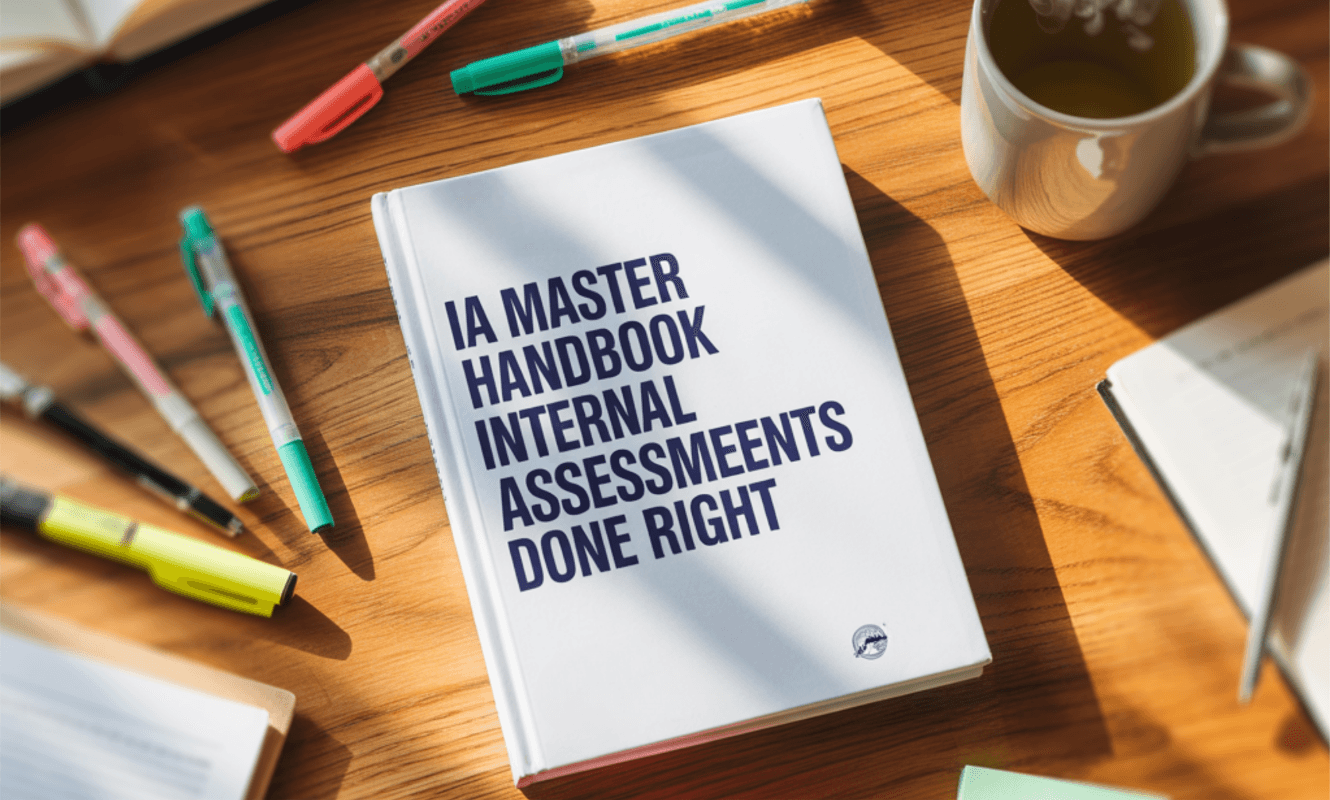
August and September are a special window. Students are transitioning from summer mode back to academics. The year ahead feels full of possibility. It's the perfect time to reset, get organized, and build good habits before the semester avalanche hits. And if you're in IB, these weeks are critical — you're setting up the entire two-year program. You may also find our resource on women in science untold stories that changed helpful.
This guide is for students (and parents) who want to use back-to-school time strategically. Not to cram in more work, but to build systems, mindsets, and habits that make the whole year easier. A strong September means you're not panicking in December. It means you're prepared, organized, and clear on what you're trying to accomplish. Learn more in our guide on navigate post mock challenges.
Key Takeaways
- There's psychological power in fresh starts.
- Get the syllabi and read them (yes, actually read them).
- You need a way to track deadlines, organize notes, and manage work.
- You can't change everything overnight, but you can choose one or two habits to focus on this year.
- If you're a parent reading this: back-to-school is a good time to have conversations about expectations, support, and what success looks like.
The Back-to-School Opportunity
There's psychological power in fresh starts. A new school year, a new schedule, a new semester — it feels like you get to start over. That feeling is valuable. Use it to build good habits, get organized, and set realistic expectations for yourself.
What makes back-to-school different from the middle of the year: You have clearer vision. You know what's coming (you've seen the syllabus). You have time to prepare before things get hectic. You're not already exhausted and behind. This is the window to set yourself up for success.
Navigating IB IB can feel overwhelming, especially if it's your first time. If you'd like personalised guidance from someone who's helped hundreds of IB students, our tutors are here to help. Tell us what you need →
Week 1: Know What You're Dealing With
Get the syllabi and read them (yes, actually read them). Don't just scan for due dates. Understand the course structure, grading breakdown, and expectations. IB courses have specific assessment components (Internal Assessment, practicals, Extended Essay if you're doing it). Know what these are. Explore our detailed guide on write an IB internal assessment a for more tips.
Create a master deadline calendar. Write down every due date for every class for the whole semester (or both years if you're keeping a longer view). Include exams, assessment deadlines, optional deadlines you want to hit. Having everything visualized makes it manageable instead of chaotic. For more on this, see our guide on write powerful test reflection questions.
Identify the hard courses. Which classes do you know will be challenging? Physics HL? Further Maths? Language? Identify them now. Setting specific goals for challenging subjects early helps you allocate resources strategically. You'll want to give them extra attention early, before you fall behind.
Want to use back-to-school time to build strong study habits? Work with a tutor who can help you build an organized system for the year →
Week 2: Set Up Your Systems
Organizational System
You need a way to track deadlines, organize notes, and manage work. This could be a physical planner, a digital calendar, a note-taking system, or a combination. What matters is that you actually use it consistently.
What to set up:
- A calendar (physical or digital) where every class and deadline is visible
- A note-taking system (notebooks, digital notes, organized folders — whatever you'll actually use)
- A way to track assignments from each class (a master to-do list, spreadsheet, planner, whatever)
- A file system on your computer organized by class (not scattered files everywhere)
Study Space
Where do you actually study? At home? At school? At a library? Decide, and make sure that space works for you. Creating a distraction-free study environment supports focus and productivity. If you study at home, set up a dedicated study area that's away from distractions (not your bed, not in front of the TV).
Time Schedule
Map out your week. When do you have class? When do you have free time for studying? When do you eat, exercise, sleep, see friends? Having a visual map of your week helps you understand where you can fit studying and prevents over-scheduling.
Week 3: Build Habits Before Things Get Busy
Start studying early on hard courses. By week 3, you have enough material in challenging classes to start studying. Don't wait until October to realize you don't understand Unit 1. Study it now while you have time and don't have other deadlines pressing.
Build a reading habit. If your courses have readings, start reading now, on schedule. Don't let readings pile up. Reading consistently from week 1 prevents the overwhelm of catching up on 10 chapters in November.
Go to office hours early. Week 3 is perfect time to go to a professor/teacher's office hours. It's not panicked (you're not desperate), it shows you care, and you can ask clarifying questions about expectations. This builds relationships that will help later when you actually need help.
Join one or two clubs/activities. Social connection and mental health matter. If you're only doing academics, you'll burn out. Finding balance between academics and personal life early prevents mid-year burnout. Find something you enjoy (sports, art, debate, community service, whatever) and commit to it early. It's part of your sustainable routine.
Mindset Shifts for Back-to-School Success
1. This Is the Year You Get Your Habits Right
You can't change everything overnight, but you can choose one or two habits to focus on this year. Maybe it's "I will not procrastinate on big assignments." Maybe it's "I will sleep 8 hours every night." Maybe it's "I will ask for help when I'm confused, not wait until I'm desperate." Pick one or two and focus on those. Next year you can work on others.
2. Grades Matter Less Than Understanding
If you chase grades, you'll be stressed and you might optimize for test scores rather than learning. If you chase understanding, grades usually follow and you actually know the material. Focus on understanding the content deeply. The grades take care of themselves.
3. You're Not Behind, You're Just Starting
It's easy to panic that you're not doing enough compared to peers. You're not behind. You're at the start of the year. Everyone is. Use this time to build confidence and competence, not to compare yourself to others.
4. Teachers/Professors Want You to Succeed
Most teachers are rooting for you. They don't want you to fail. Go to office hours, ask questions, show that you care. They'll work with you. But they can't help if they don't know you're struggling.
Things to Do Before September Gets Busy
- Get any tutoring lined up. If you know you'll want help in a subject, reach out now. Don't wait until October when tutors are booked.
- Stock up on supplies. Notebooks, pens, highlighters, folders, whatever you use. Don't be caught without materials in November.
- Set up your laptop/computer for the year. Organize your files. Install any software you'll need. Make sure everything works before you're in crisis mode.
- Plan your Extended Essay (if applicable). Don't wait until November. Creating an IA and Extended Essay timeline early ensures you complete each stage thoughtfully. Think about a topic now. Start early and you have actual time to do good research.
- Identify your hardest class and plan extra support. If Physics HL is going to be hard, acknowledge that now and plan accordingly. Maybe get a tutor. Maybe join a study group. Don't pretend it'll be fine and realize in January you're lost.
- Build a study group for hard classes. By week 3 or 4, find 2-3 people in your hard classes who seem serious. Suggest studying together. This is the time to build these connections.
Parent's Role in Back-to-School
If you're a parent reading this: back-to-school is a good time to have conversations about expectations, support, and what success looks like. Discuss academic goals (not grades necessarily, but what your child hopes to learn). Discuss mental health and stress management. Discuss how you can support without hovering.
The best parental support is: believing in your child, asking how school is going (and actually listening), providing resources (tutoring, quiet study space, reasonable curfews), and backing off the micromanagement. Let your teen manage the academics with your support, not your control.
Use Back-to-School to Set Yourself Up for Success
Work with a tutor early in the year to build strong foundations and prevent falling behind → The first month of school determines the trajectory of your whole year. Students who start organized, who build good habits, who ask for help early — they have so much less stress in December. Use August and September to set yourself up. Build your systems, establish your habits, and go into the year with clarity. You've got this.
FAQs
Should I study over summer before starting IB?
Not intensively. But reading the textbook or watching introductory videos on IB topics (especially if you're weak in a subject) is valuable. Getting a head start on exam preparation can ease your transition into Year 1. You don't need to start working hard, but some preview of what's coming helps with anxiety.
Is it bad if I don't have my full schedule figured out by September?
Not at all. If you spend the first month getting organized, you're still ahead of most students. Some people are organized from week 1. Others figure it out by October. Both are fine as long as you're being intentional about it.
Should I try to be friends with my study group or keep it strictly academic?
Either is fine. Some study groups become friend groups. Others are purely academic. Both work. The key is that the people are committed to studying and that you actually meet consistently.
What if I realize by October that I chose the wrong classes?
Some schools allow schedule changes in the first few weeks. Talk to your academic advisor if you're seriously unhappy. But be honest with yourself: is the class actually not right for you, or are you just scared because it's hard? Give it 3-4 weeks before deciding.