How to Find the Right IB English Tutor (Language A, Literature & B)
IB English is one of the most underestimated subjects in the Diploma Programme. Students often assume strong reading skills are enough, but the IB assesses anal...
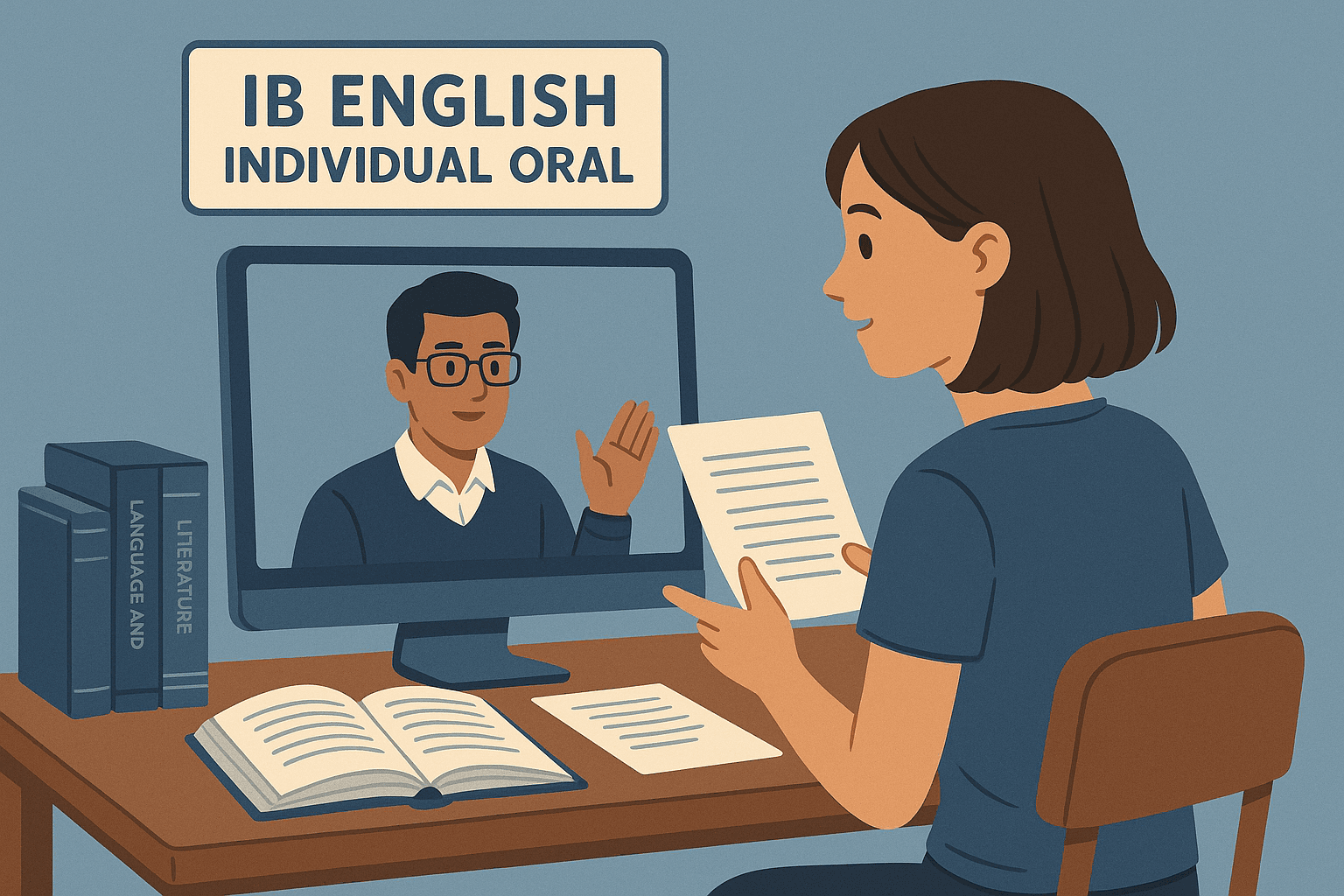
IB English is one of the most underestimated subjects in the Diploma Programme. Students often assume strong reading skills are enough, but the IB assesses analytical thinking, structured commentary, and oral presentation at a level most secondary students have never encountered. The Individual Oral (IO) alone accounts for a major portion of the final grade, and it requires specific preparation that general English tutoring does not cover.
(This guide has been updated for the 2025-26 academic year.)
Key Takeaways
- IB English includes three distinct courses (Language & Literature, Literature, and Language B), each with different assessment components and rubrics.
- The Individual Oral (IO) is the single most common reason IB English students seek tutoring, and it requires an examiner-trained tutor to practise effectively.
- A great IB English tutor focuses on analytical technique and rubric alignment, not just grammar correction or essay proofreading.
- Paper 1 unseen commentary is where most marks are lost because students lack a systematic approach to analysing unfamiliar texts.
IB English: Why It Is Harder Than Most Students Expect
IB English is not one course but three distinct programmes, each with different skills, texts, and assessment formats:
- Language & Literature (Language A: LL) combines literary and non-literary text analysis. Students study everything from novels to advertising campaigns.
- Literature (Language A: Lit) focuses purely on literary works and demands close reading, comparative analysis, and interpretive depth.
- Language B is designed for students whose first language is not English. It assesses productive and receptive skills, oral communication, and text type conventions.
Each course has its own HL Essay requirements, IO format, and Paper 1/Paper 2 structure. A tutor who specialises in Literature may not know the Language & Literature assessment criteria, and vice versa. This is why subject-specific matching matters.
The most common pain points students bring to tutoring sessions are IO preparation (structuring a 15-minute oral analysis under exam conditions), HL Essay planning (choosing a question and building an argument across 1,200 to 1,500 words), and Paper 1 commentary writing (analysing an unseen text systematically within a time limit).
If your child is struggling with any of these, a tutor who has examined IB English papers can show them exactly where marks are earned and lost. At ++tutors, all English tutors are current or former IB examiners and teachers matched to your child's specific course. Find your IB English tutor now.
What Makes a Great IB English Tutor?
Four qualities distinguish an effective IB English tutor from a general English teacher or writing coach:
IB examiner or teacher experience with specific IB English courses. The rubrics for Language & Literature, Literature, and Language B are different. A tutor who has marked IOs for Language A: LL knows what scores 8/10 versus 4/10 on the global issues criterion. A general English teacher does not.
Rubric fluency. IB English is assessed against markbands, not right-or-wrong answers. The best tutors teach students to write for the rubric: how to demonstrate "perceptive" rather than "adequate" analysis, how to structure a Paper 1 commentary that hits every criterion, and how to select and integrate evidence effectively.
Feedback on style and structure, not just grammar. Many students produce grammatically correct essays that score poorly because the analysis is surface-level or the argument lacks a clear line of inquiry. An IB English tutor should be able to identify these deeper issues and coach the student to improve them.
Paper 1 unseen text expertise. Paper 1 asks students to analyse a text they have never seen before. This requires a systematic approach: identifying literary and stylistic devices, connecting them to meaning, and constructing an argument under time pressure. Tutors who have marked Paper 1 can teach this method effectively because they know what examiners reward.
IB English Language & Literature Tutoring (Language A: LL)
Language & Literature is the more popular of the two Language A courses. It combines literary study with analysis of non-literary texts such as speeches, advertisements, blogs, and opinion pieces.
The key assessments are:
- Paper 1: Guided textual analysis of an unseen non-literary text (SL) or a choice between literary and non-literary texts (HL).
- Paper 2: Comparative essay on at least two studied literary works.
- Individual Oral (IO): A 15-minute oral examination connecting a literary work to a non-literary body of work through a global issue.
- HL Essay: A 1,200 to 1,500 word essay on a literary or non-literary text studied in class.
Tutoring typically focuses on IO practice (structuring the oral, selecting strong global issues, managing the 10-minute presentation and 5-minute discussion), Paper 1 commentary technique, and HL Essay planning for HL students.
IB English Literature Tutoring (Language A: Lit)
Literature demands deeper engagement with literary works and stronger close reading skills. Students study a wider range of texts in translation and develop comparative analytical abilities.
The main assessment challenges are Paper 1 literary commentary (analysing an unseen poem or prose extract with precision), Paper 2 comparative essays (connecting themes across works from different periods and cultures), and the HL Essay (a self-directed analytical paper requiring original argumentation).
An IB Literature tutor should be comfortable teaching close reading techniques, comparative essay frameworks, and the specific literary terminology that examiners expect. Students often need help moving beyond plot summary to genuine literary analysis. Check our IB English A tutoring page for more on how we match students with Literature specialists.
IB English Language B Tutoring
Language B is for students whose first language is not English. The course develops receptive, productive, and interactive skills across a range of text types and topics.
Key assessment areas include oral assessment (individual presentation and follow-up discussion), written assessment (text type production: articles, blogs, speeches, reports), and reading comprehension at the HL level (literary texts in addition to standard text types).
Language B tutoring focuses on building the productive skills that score highest on the rubric: clear text type conventions, appropriate register, and effective communication of ideas. For HL students, literary analysis of the studied works is an additional focus area.
Many families ask whether Language B tutoring requires a different approach from Language A. It does. Language B assessment criteria emphasise language competence and text type awareness rather than literary analysis depth. Your tutor must know the Language B rubric specifically, not just "IB English" in general.
Choosing between different IB English courses and finding the right tutor for each one can feel like navigating a maze of acronyms and assessment criteria. If you are unsure where to start, our Client Success Managers specialise in exactly this kind of matching. They will pair your child with a tutor who has examined or taught their specific IB English course. Start the matching process here.
Questions to Ask an IB English Tutor Before Hiring
These questions help you identify whether a tutor genuinely knows IB English assessment at a deep level:
- Which IB English course have you taught or examined? Language & Literature, Literature, and Language B are different courses. The tutor should name the specific one.
- How do you prepare students for the IO? A strong answer includes: practising the 10-minute presentation, selecting and refining global issues, rehearsing the discussion component, and providing feedback against IO markbands.
- Can you help with HL Essay planning? The tutor should describe a process for topic selection, thesis development, and draft feedback, not just proofreading.
- Do you use real past papers in sessions? Tutors who work from actual IB papers and examiner reports are far more effective than those who create their own materials.
For a broader perspective on evaluating IB tutors across all subjects, see our full guide to finding an IB tutor.
How ++tutors Matches Students With IB English Specialists
Finding an IB English tutor through ++tutors works like this:
- Expert matching within 24 hours: Tell us which IB English course your child takes (Language & Literature, Literature, or Language B), whether it is HL or SL, and what they need help with (IO, HL Essay, Paper 1, general improvement).
- Certified IB examiners and teachers only: Every English tutor in our network holds IB teaching or examining experience. We accept only the top 10% of applicants.
- Lesson Space recordings: Every session is recorded on our virtual classroom platform, so your child can review IO practice sessions, essay feedback, and commentary techniques as many times as needed before the exam.
- Ongoing support: Your Client Success Manager monitors progress and collects feedback. If the match is not right, we reassign at no additional cost.
Read more about how the matching process works, or see our IB HL Essay guide for tips your child can start using today.
Find Your IB English Tutor in 24 Hours
Get matched with a certified IB English examiner or teacher who knows your child's specific course, level, and assessment requirements. 4.9-star rated by 500+ families. Money-back guarantee after the first session.
Frequently Asked Questions
How many IB English tutoring sessions do I need?
Most students see significant improvement within 6 to 12 sessions, depending on their starting level and goals. IO preparation typically requires 4 to 6 focused sessions to develop, practise, and refine the oral presentation. HL Essay support may take 3 to 5 sessions for planning, drafting, and revision. Ongoing Paper 1 and Paper 2 technique work benefits from regular weekly sessions over 2 to 3 months. Your Client Success Manager will recommend a session plan based on your child's specific needs.
Can a tutor help with my HL Essay topic choice?
Yes. Topic selection is one of the most common areas where students seek tutor support. An experienced IB English examiner can help your child identify a viable topic, formulate a clear line of inquiry, and assess whether the chosen text and approach will meet the HL Essay criteria. Getting the topic right early prevents significant rework later.
My child is doing English B. Do you have tutors for that?
Yes. ++tutors has Language B specialists who understand the specific assessment criteria for this course, which differ from Language A. Language B tutoring focuses on productive skills, text type conventions, oral assessment preparation, and (for HL students) literary text analysis. The tutor matched to your child will have direct experience with the Language B rubric.