When Should You Hire an IB Tutor? 6 Signs It Is Time
The best time to hire an IB tutor in 2026 is before the problem becomes a crisis. Most parents wait until their child is visibly struggling, which often means m...
The best time to hire an IB tutor in 2026 is before the problem becomes a crisis. Most parents wait until their child is visibly struggling, which often means mid-Year 2 when there is limited time before exams. The students who benefit most from tutoring are those who start early enough for the tutor to make a structural difference, not just put out fires.
Key Takeaways
- The ideal time to start IB tutoring is when you first notice a gap between your child's current grades and their university target, not when the gap becomes a crisis
- Six clear signs it is time: dropping grades, IA confusion, predicted grades below target, frustration with a subject, weak school teaching, or exam anxiety
- Starting in Year 1 gives the tutor time to build foundations; starting 3-4 months before exams focuses on technique and revision
- Even late-stage tutoring (8-12 hours in the final months) can produce 1-2 grade improvements through exam technique coaching
Ready to start? Get matched with an IB tutor in 24 hours.
Sign 1: Grades Are Dropping or Stagnating
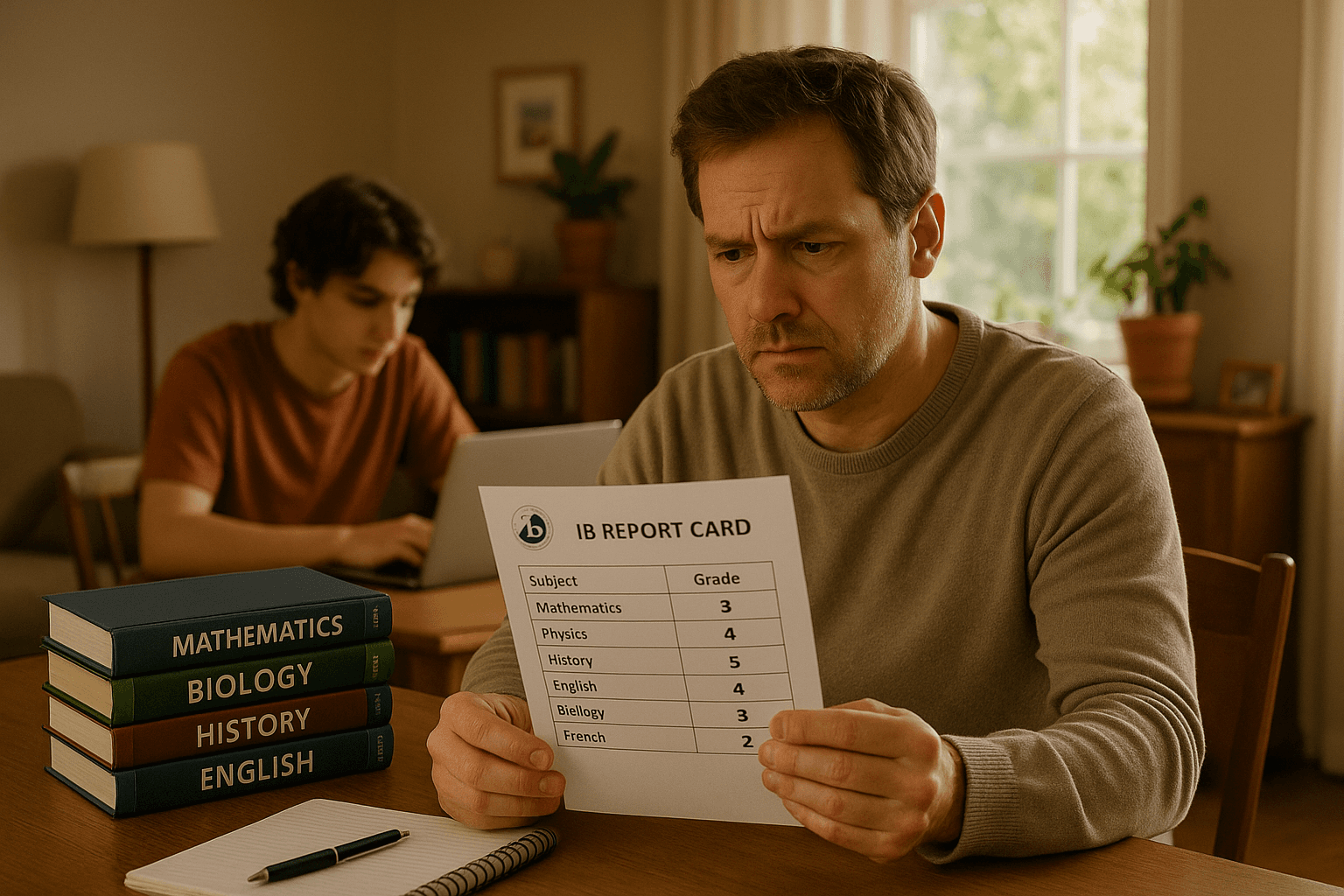
This is the most obvious sign. If your child's grades in a subject have dropped by a grade or more over a term, or if they have been stuck at the same level despite effort, something is not clicking. IB subjects build cumulatively: a gap in Maths that opens in Year 1 will widen in Year 2 unless it is addressed.
The key question is whether the issue is content-based (they do not understand the material) or technique-based (they understand but cannot perform under exam conditions). A good IB tutor will diagnose this in the first session and build a targeted plan.
Do not wait for the end-of-year report. If mid-term assessments or mock results show a downward trend, that is enough signal to act.
Sign 2: The Internal Assessment Is Approaching and Your Child Is Lost
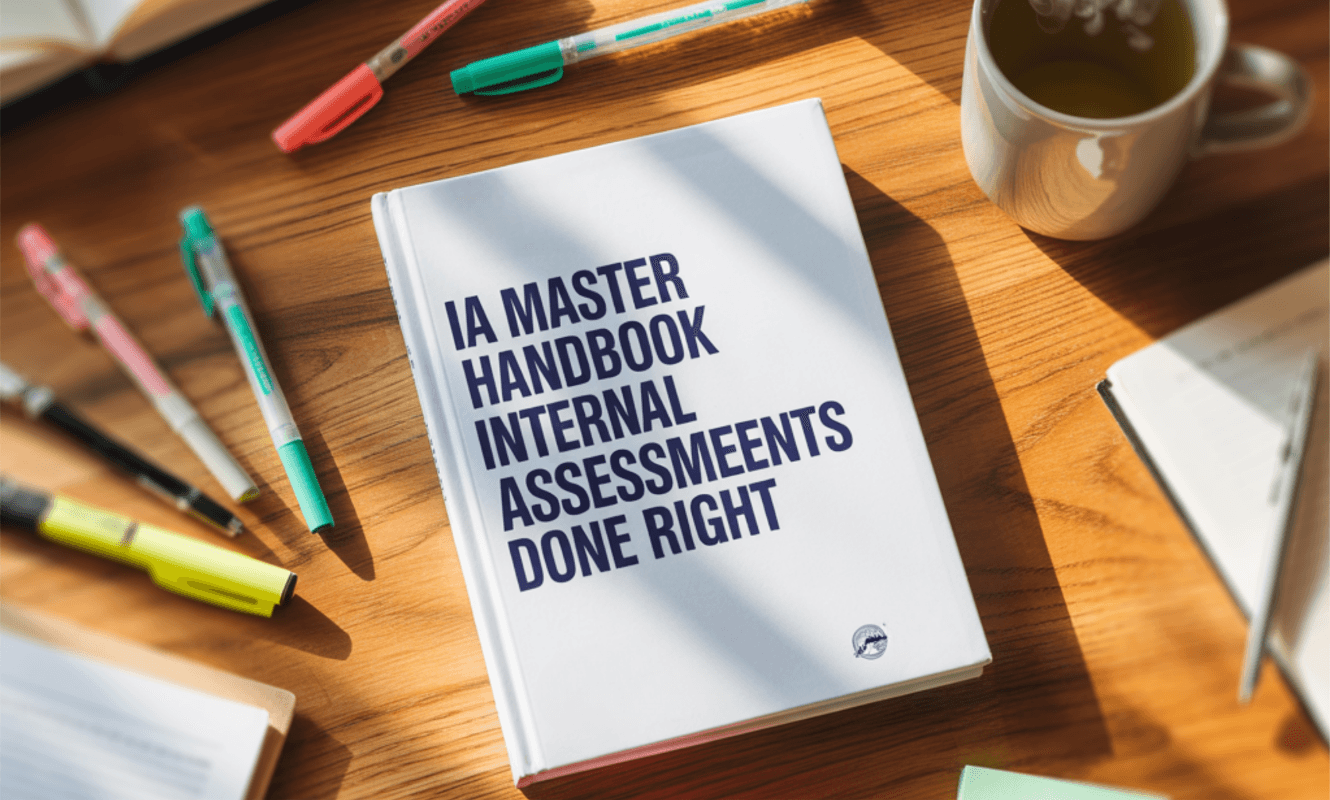
The IA is worth 20% of the final grade in most IB subjects, and it is the component where students most commonly lose marks unnecessarily. If your child is unsure what topic to choose, does not understand the marking criteria, or has started writing without a clear plan, a tutor can prevent costly mistakes.
The best time for IA support is during the planning and early drafting stage, not after the first draft is written. Fixing structural problems in an IA after it is drafted is much harder (and more expensive in tutoring hours) than getting the structure right from the start.
Common IA red flags: your child cannot explain their research question in one sentence, they do not know the marking criteria, or they have been working on it for weeks without making progress.
Sign 3: Predicted Grades Are Below University Requirements
IB students typically receive conditional university offers based on total IB points and specific subject grades. If your child's current predicted grades are 2-3 points below their target offer, that gap needs to be addressed proactively.
Tutoring is one of the most direct ways to close a predicted grade gap. A specialist tutor who knows the IB assessment model can identify exactly where marks are being lost and focus on the highest-impact improvements.
The timing matters: if predicted grades are set in early Year 2 (September-November), starting tutoring immediately gives 6-8 months to make a difference. If you wait until January or February, the window narrows significantly.
Sign 4: Your Child Is Frustrated or Losing Confidence
Frustration with a subject is a warning sign that should not be ignored. When an IB student says "I hate Physics" or "I will never understand Economics," what they often mean is "I have been trying and it is not working." That feeling, if left unaddressed, leads to disengagement, reduced effort, and a downward spiral.
A tutor can break this cycle by giving your child early wins: solving a problem they thought was impossible, earning a better mark on a practice paper, or finally understanding a concept that had been confusing them. Confidence and performance are tightly linked in the IB.
Sign 5: The School's Teaching Is Not Meeting Your Child's Needs
Not all IB schools are equal. Some have experienced IB teachers in every department; others have teachers who are new to the IB or covering subjects outside their specialism. If your child's school is not providing strong instruction in a particular subject, a tutor fills that gap.
Signs that school teaching may be the issue: the teacher is new to the IB, the class moves too fast or too slow for your child, HL-only topics are rushed or poorly explained, or the teacher provides limited IA guidance. In these situations, a tutor serves as a second teacher who compensates for what the school is not providing.
Sign 6: Exam Anxiety Is Affecting Performance
Some students know the content but underperform under exam conditions. They freeze, run out of time, misread questions, or write incomplete answers due to stress. If your child consistently scores higher on homework and classwork than on timed assessments, exam anxiety is likely a factor.
A tutor experienced with IB exams can help by running timed practice under realistic conditions, teaching specific pacing strategies for each paper, building familiarity with the exam format so it feels less threatening, and developing a pre-exam routine that reduces stress.
This type of coaching works best over 6-10 sessions in the months before exams.
Feeling unsure whether now is the right time? Talk to our Client Success Manager for honest advice.
The Best Timing by IB Stage
| When | Best For | Typical Hours Needed |
|---|---|---|
| Year 1 (September-December) | Foundational gaps, building study skills, early IA planning | 10-15 hours over the year |
| Year 1 (January-June) | Subject-specific support, IA topic selection and planning | 8-12 hours |
| Year 2 (September-November) | IA drafting support, closing predicted grade gaps | 6-10 hours |
| Year 2 (December-February) | Exam technique, timed practice, targeted content review | 8-12 hours |
| Year 2 (March-May) | Final exam preparation, mock exam review, confidence building | 6-10 hours |
Starting earlier gives more room, but even late-stage tutoring produces measurable results. Do not assume it is "too late" just because exams are approaching.
How to Know If You Have Waited Too Long
It is rarely too late for tutoring to help, but there are situations where expectations need to be realistic:
- 4+ months before exams: Plenty of time for both content review and exam technique. Realistic to aim for a 2-grade improvement.
- 2-3 months before exams: Time for targeted exam preparation and focused content review in weak areas. Realistic to aim for a 1-2 grade improvement.
- Less than 1 month before exams: Time for exam technique coaching and practice paper review only. Realistic to aim for a 0.5-1 grade improvement. Still worth it if your child is close to a grade boundary.
How ++tutors Can Help
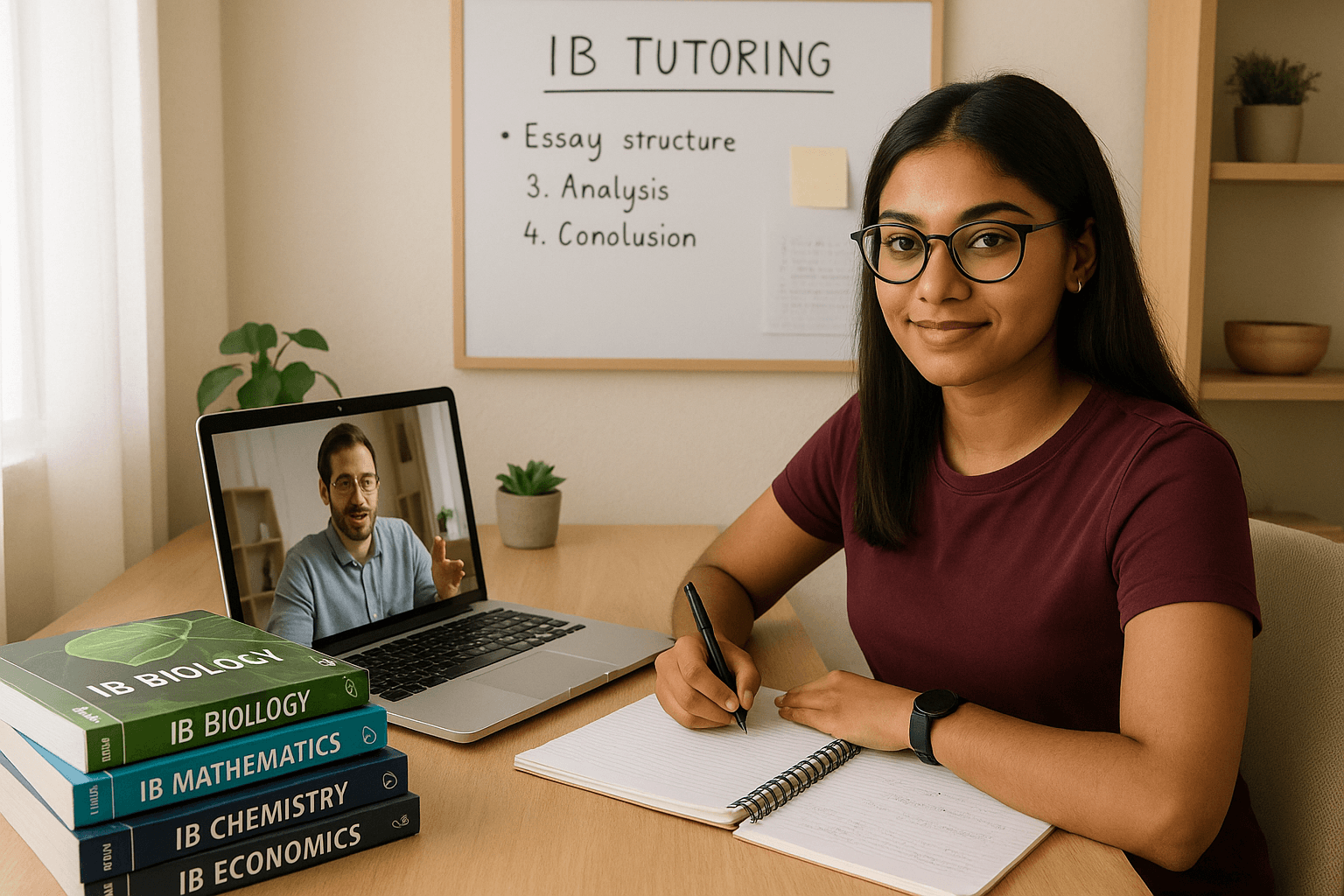
At ++tutors, we help families at every stage of the IB. Whether your child is just starting Year 1 and wants to build strong foundations, or they are three months from exams and need focused preparation, we match them with a specialist tutor within 24 hours.
Our Client Success Managers will talk through your child's specific situation before recommending tutors. If we do not think tutoring is the right solution, we will tell you.
See how our matching process works, or read our guides on finding an IB tutor and whether IB tutoring is worth it.
Frequently Asked Questions
Is it too late to start IB tutoring in Year 2?
No. Year 2 is the most common time for families to start IB tutoring, and even 8-12 hours of focused exam preparation in the final months can produce a 1-2 grade improvement. The key is targeting the highest-impact areas (exam technique, weak topics, IA support) rather than trying to cover everything.
Should I wait for my child to ask for help?
Not necessarily. Many IB students do not ask for help because they feel they should be able to manage independently, or because they do not recognise how far behind they are until it is too late. If you see declining grades, frustration, or predicted grades below target, raise the topic proactively.
How do I know if my child needs a tutor or just needs to study harder?
If your child is putting in consistent study time but grades are not improving, the issue is likely not effort but method. A tutor can diagnose whether the problem is content gaps, exam technique, or study strategy, and provide targeted solutions. If your child is not studying at all, addressing motivation is the first step.
Can a tutor help if my child has only a few weeks until exams?
Yes, but with focused expectations. In the final weeks, a tutor should focus exclusively on exam technique: timed practice, mark scheme familiarity, and pacing strategy. Even 4-6 hours of this type of coaching can help a student pick up extra marks on exam day.
Find Your IB Tutor in 24 Hours
Get matched with a certified IB examiner or teacher tailored to your subject, level, and schedule. 4.9★ rated by 500+ students. Money-back guarantee.
Get Matched Now →